Mai Chau & Moc Chau: The Beauty of Taking Your Time
Rice fields below, tea hills above—and somewhere in between, enough quiet to finally catch your breath.
MOC CHAU
Some journeys begin with a wish to see more. This one begins with a wish to hear less: less traffic, fewer notifications, and a little breathing room between one thought and the next. Leaving Hanoi behind and heading west, the road gradually folds into the mountains, and before long, the landscape itself begins to set a gentler pace.
Mai Chau, in the hush between mountains
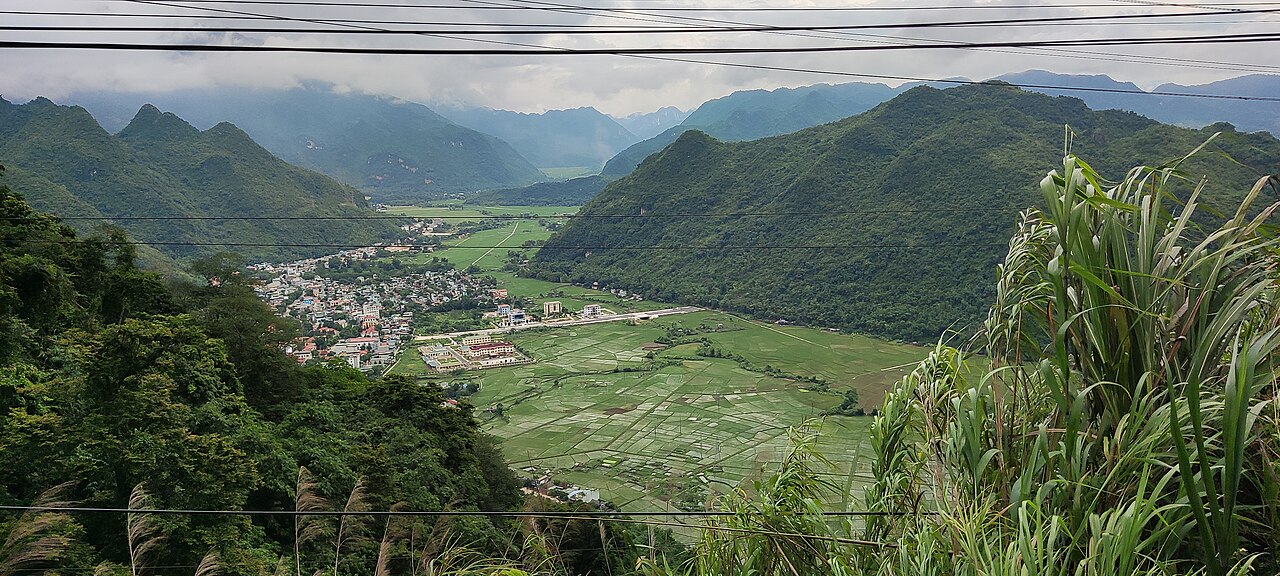
Seen from the ridge above, Mai Chau gathers itself into a quiet patchwork of fields and small hamlets, cradled between green limestone walls. Yet it is only when you descend into the valley floor that the smaller details take over—a bicycle resting beside a wooden stair, clear water threading through an irrigation channel, or the low murmur of a household preparing dinner. The panorama is striking, of course, but the real pleasure lies in being close enough to watch the light and mood shift hour by hour.
A natural place to settle into this rhythm is around Lac and Pom Coong villages, where White Thai families have welcomed travelers for generations. Because these are living, working communities as much as established stops, you will find a mix of lively homestays and souvenir stalls along the main paths—yet if you simply keep walking a little farther down the public lanes, the bustle fades and the open fields take over. Staying on those shared paths, rather than wandering into private courtyards or cultivated plots, keeps your visit effortless and respectful.
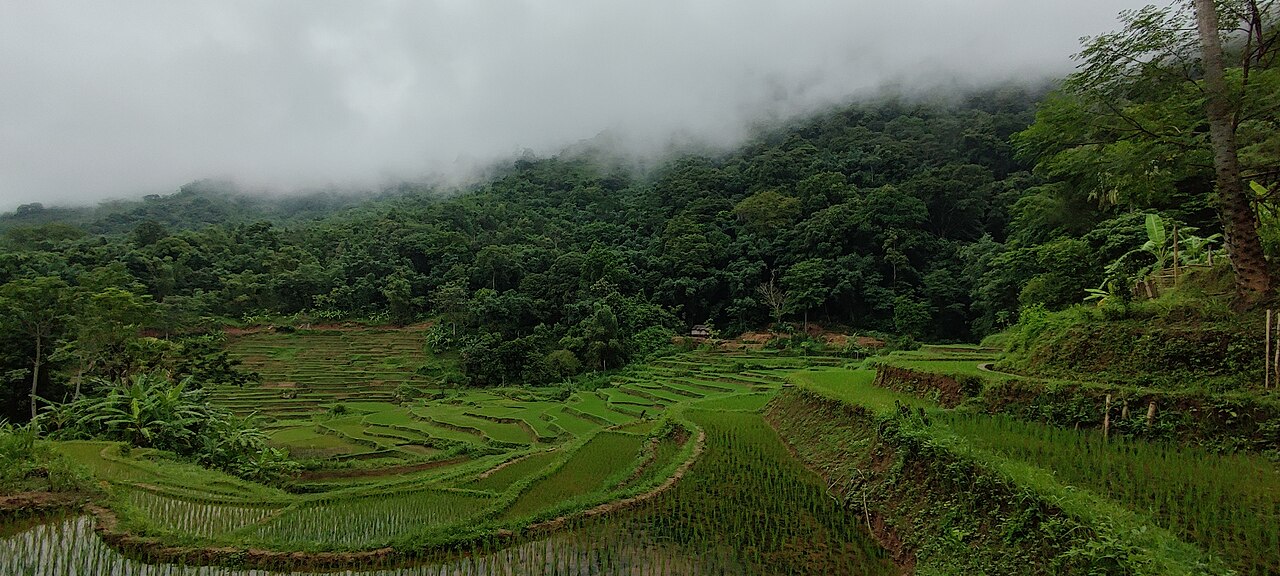
Nothing matches the valley’s unhurried tempo quite like a slow ride on two wheels. Your host can point you toward a quiet loop, and having an offline map tucked into your phone lets you wander without second-guessing every turn. Depending on when you arrive, the same stretch of fields might be mirrored with water, flushed in vibrant green, heavy with gold, or newly harvested—and none of them is a lesser version of the place, just a different chapter of its year.
The luxury here is a morning with nothing to prove.
Moc Chau: green curves, white blossom
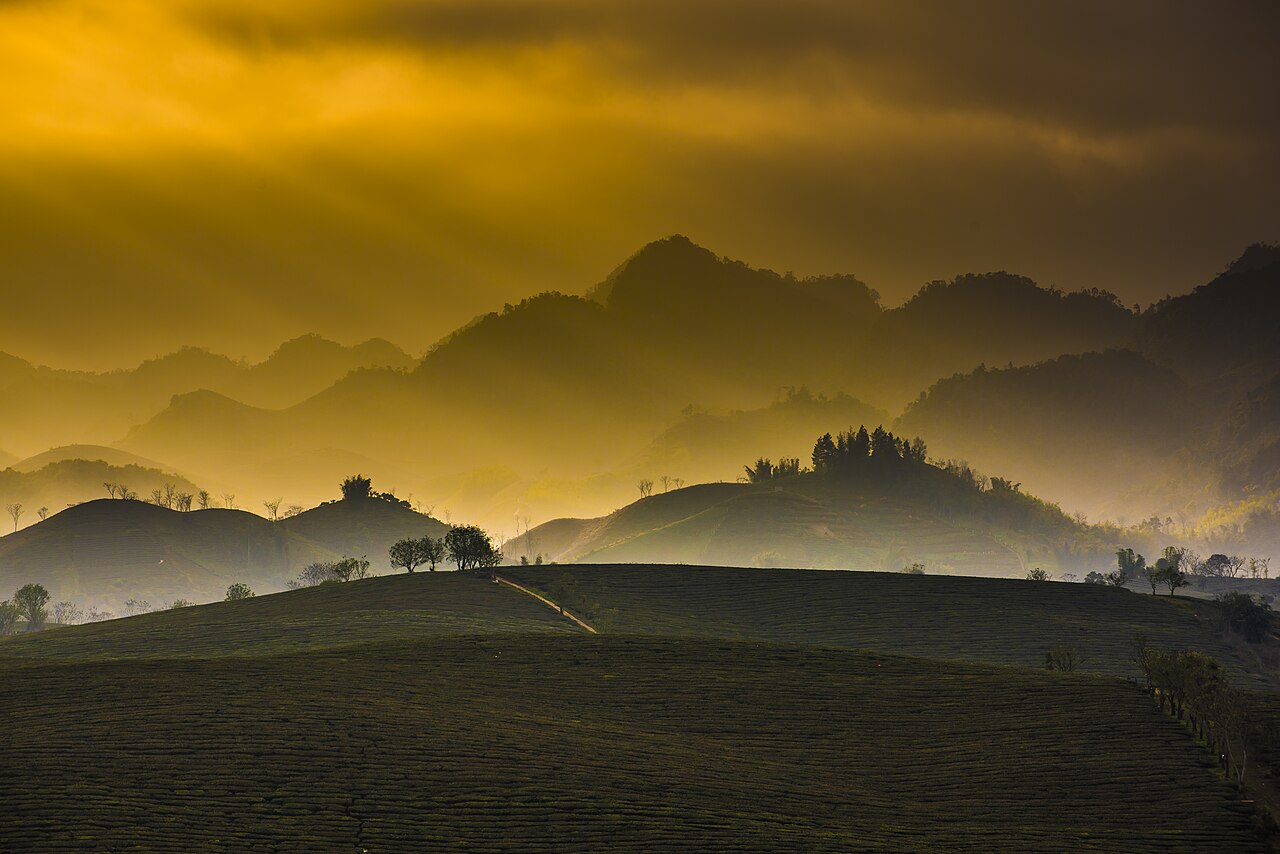
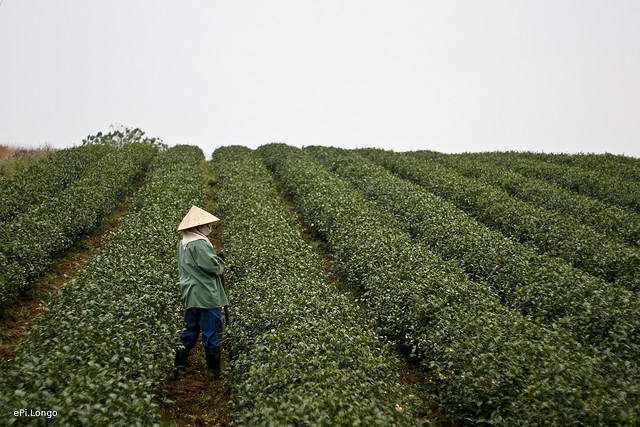
Climbing higher out of the valley, the air cools and the horizon widens into the plateau of Moc Chau. Here, tea grows in long, deliberate sweeps across the slopes, turning the hillsides into a landscape of repeating green curves. In soft morning light, those rows take on an almost sculptural grace; mist occasionally drifts through to blur the edges, though bright skies and the hum of passing farm bikes belong just as naturally to the scene.
The tea-growing area around Tan Lap makes an inviting place to begin your morning walk. Since these plantations are someone’s daily livelihood, sticking to visitor entrances and designated paths—and asking before stepping between the rows—goes a long way. Afterward, sitting down with a warm cup of locally grown tea often lingers in the memory far longer than chasing one more hurried photograph.
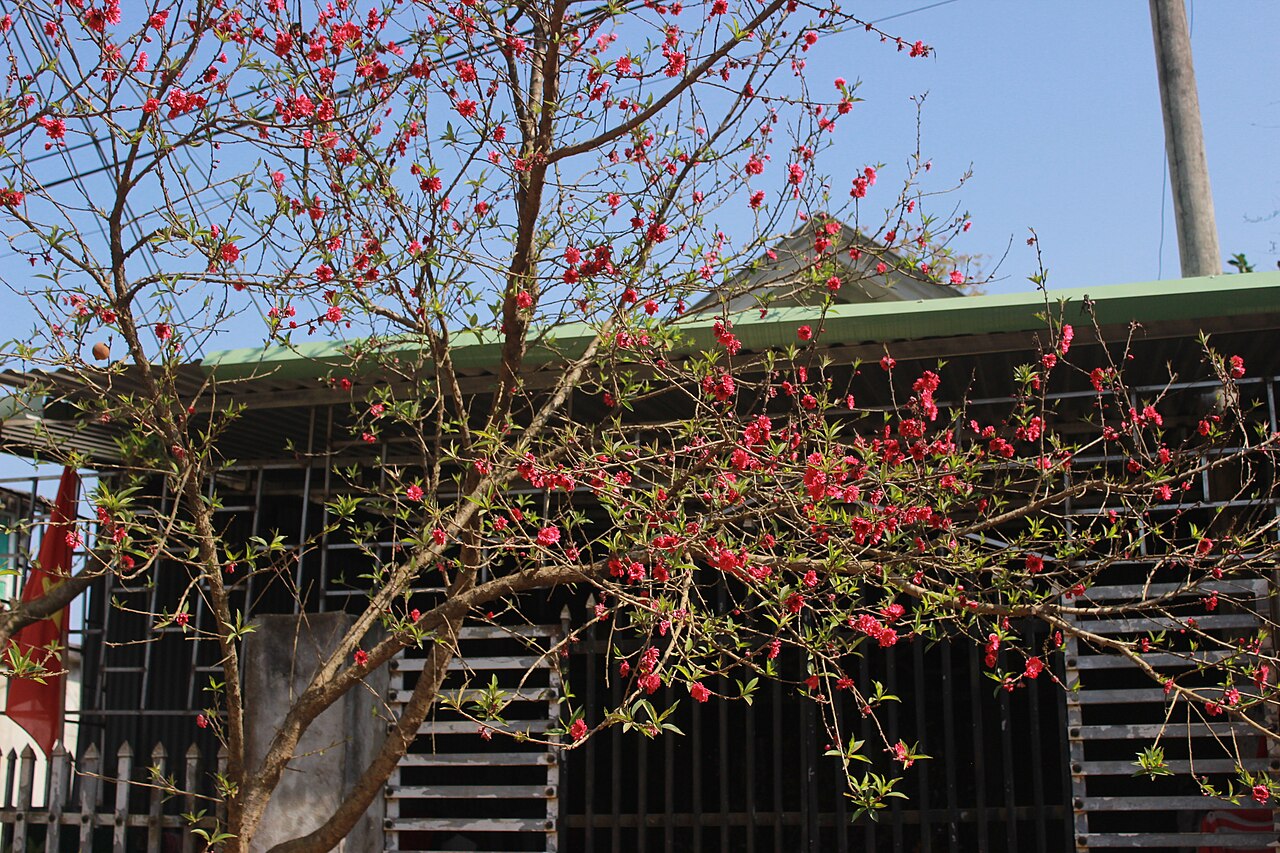
From the tea hills, the road leads easily toward Na Ka valley, where sprawling plum orchards offer an entirely different kind of beauty. White blossoms usually sweep across the valley around January and February, though their exact timing shifts with the winter weather, making it wise to check local conditions shortly before you set out. In other seasons, you can ask which orchards are open for fruit picking and what entry includes —remembering, as you wander beneath the branches, to leave them unbroken for the harvest ahead.
A hillside does not need to be in bloom to be worth your time.
Leave an afternoon unfinished
Once you have taken in the wide sweep of the plateau, it helps to remember that not every hour needs to be anchored to a landmark. Around Ban Ang, a calm lake bordered by tall pine trees offers a softer change of texture after the open tea hills. It is the kind of place made for strolling slowly, lingering in the dappled shade, and letting an afternoon remain delightfully uncomplicated—just check the current entrance arrangements before heading out, as local access can shift.
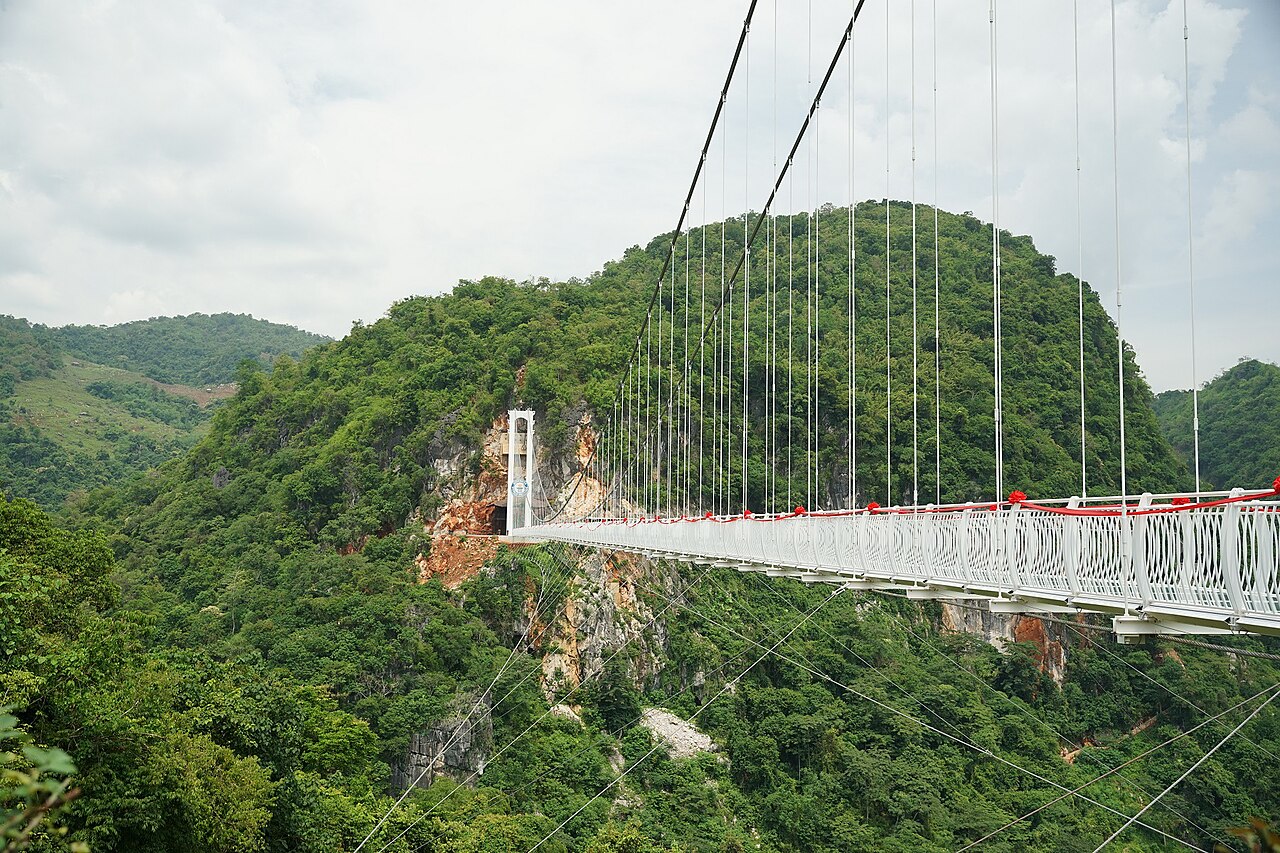
If you are in the mood for something more dramatic, Bach Long Glass Bridge is an optional detour that trades quietude for sweeping altitude. It is a fully developed attraction with its own ticketing and operating hours, separate from the Love Glass Bridge near Dai Yem, so it is best visited simply because the thrill appeals to you rather than out of any obligation to tick off every headline sight.
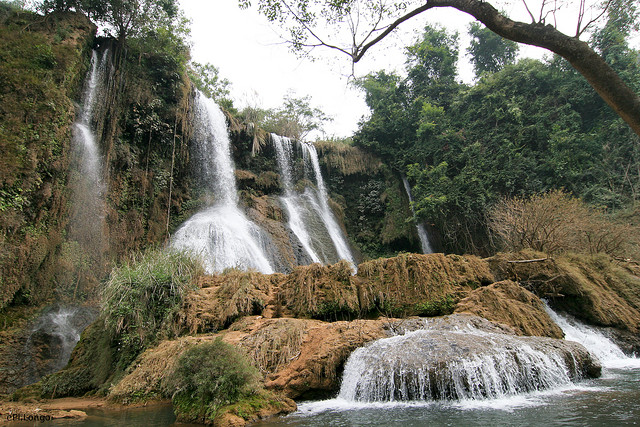
For a livelier dose of nature instead, Dai Yem Waterfall offers another easy stop. Its flow changes noticeably with the seasons' rainfall, and the surrounding paths can turn slick after wet weather. Rather than assuming the pools are safe or open for swimming, or stepping past barriers for a daring angle, you will enjoy the cascade best from a steady, secure lookout.
The warmth of a shared meal
As evening settles and the highland air turns crisp, dinner naturally draws the day indoors. Around a Mai Chau table, simple staples—bamboo-cooked rice, smoky grilled chicken, fresh greens, and a steaming bowl of broth—create an immediate sense of comfort. Even the small ritual of peeling back the charred bamboo skin from com lam to reveal the fragrant sticky rice inside seems to coax the whole meal into a slower, more appreciative pace.
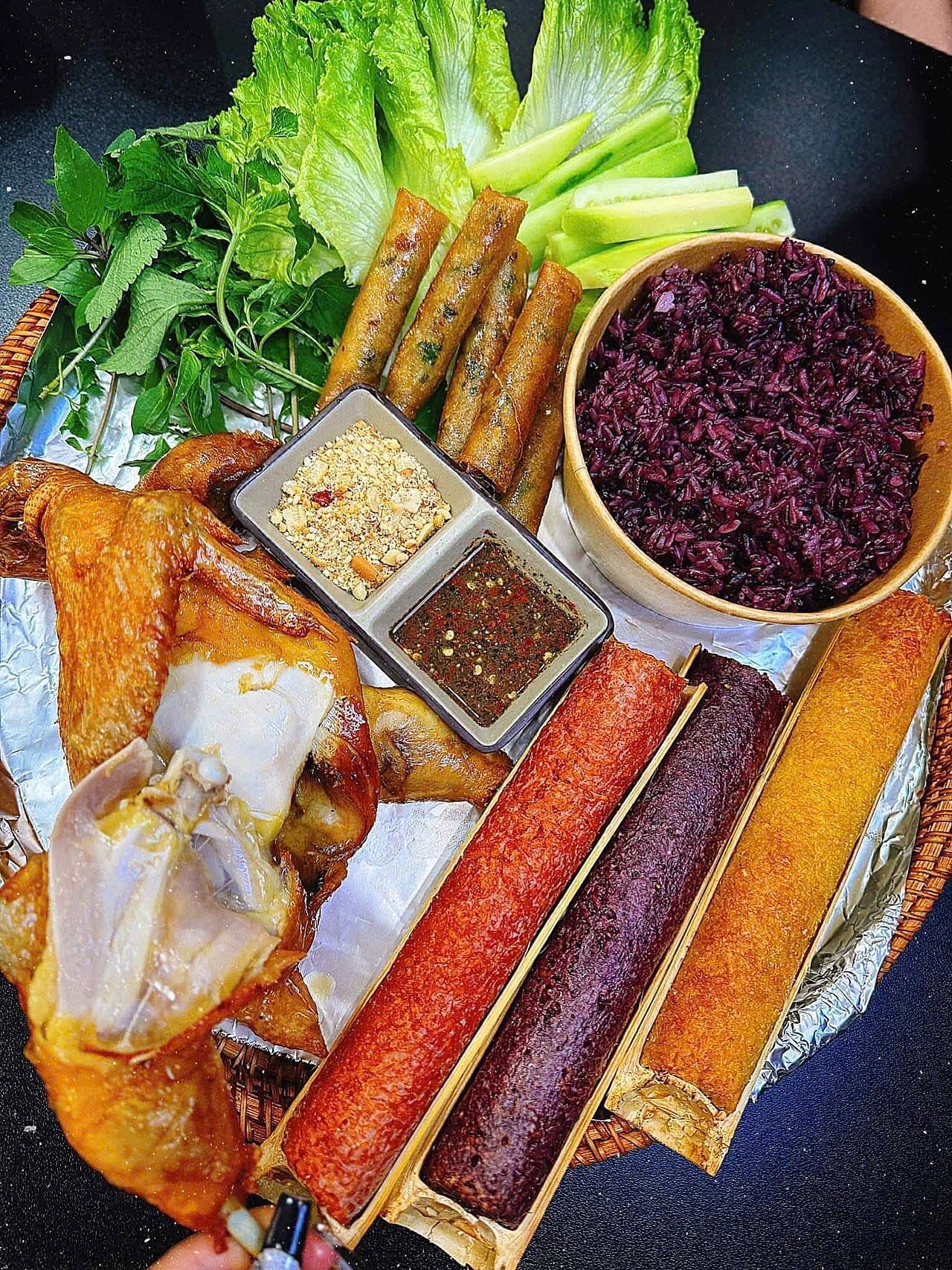
Up in Moc Chau, local kitchens introduce new flavors worth seeking out, starting with be chao—tender pieces of veal flash-fried in hot oil and typically paired with a rich fermented soybean dipping sauce, though each kitchen adds its own subtle touches.
Another dish to ask for is pa pinh top, a traditional Thai preparation of seasoned stream fish folded over herbs and grilled, which refers to a specific culinary craft rather than just any grilled fish on a menu.
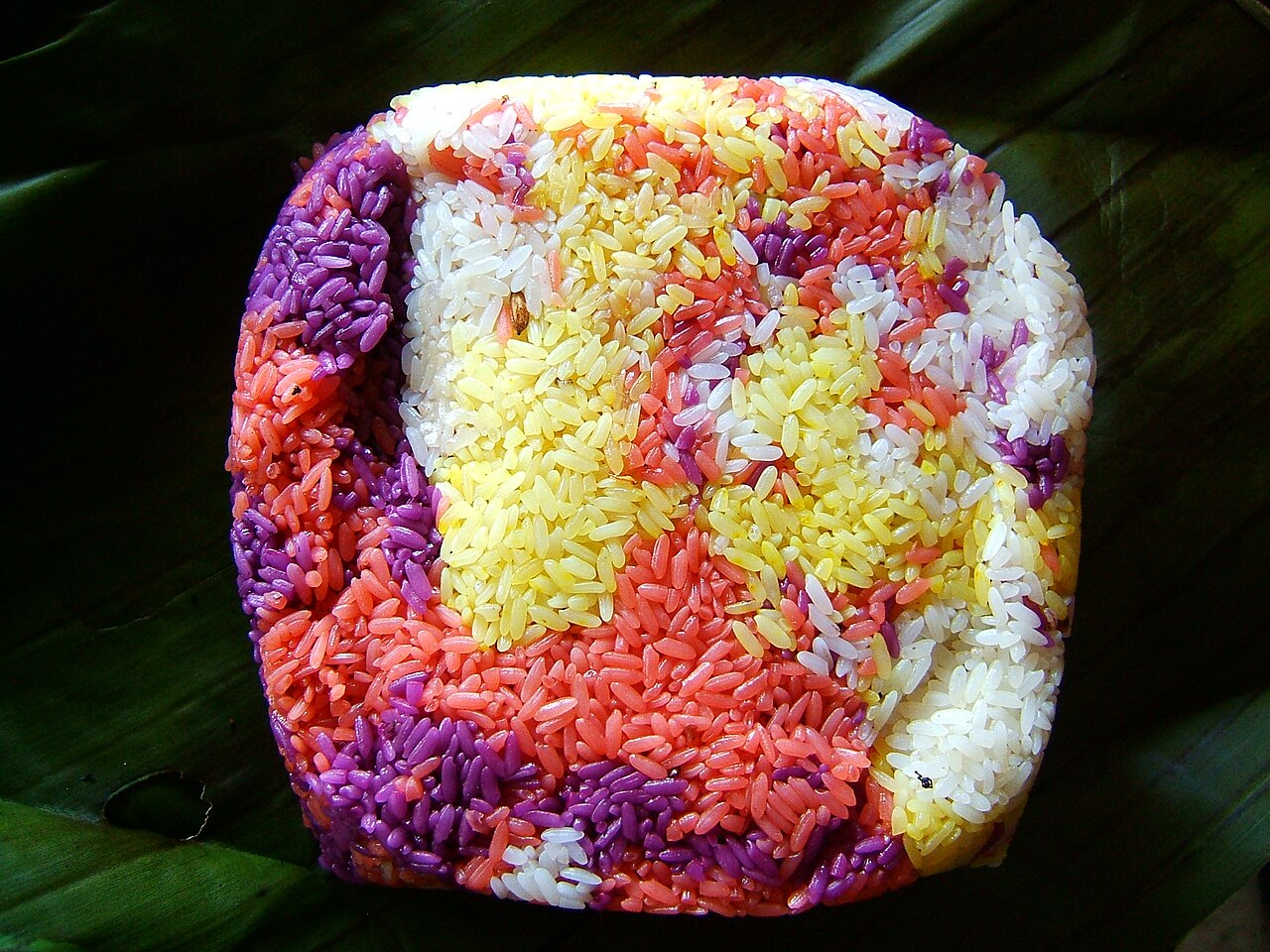
Rounding out the spread, five-color sticky rice brings a festive splash of hue drawn from natural, plant-based dyes. Rather than expecting every regional specialty to appear at every sitting, ask your hosts what is fresh that day, let them know early about any allergies, vegetarian preferences, or spice limits, and never hesitate to decline alcohol— warmth and hospitality here are measured in good company, never in glasses emptied.
A landscape shaped by everyday lives
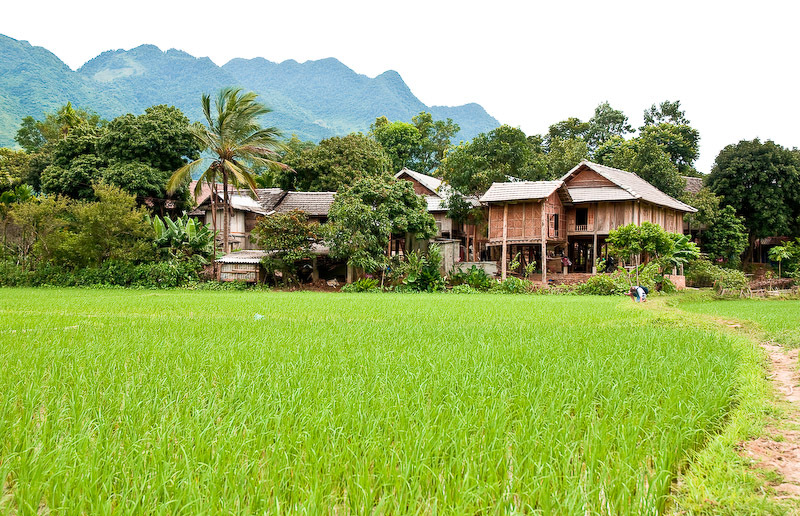
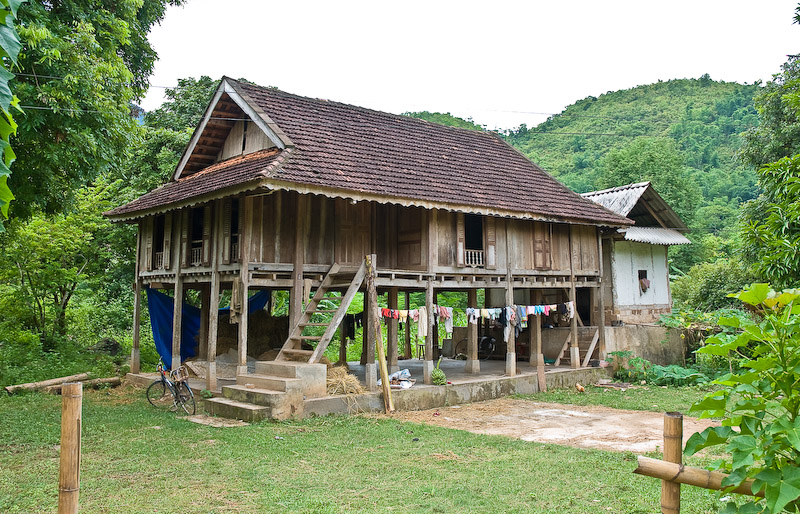
Beneath the scenery of valleys and plateaus lies a region woven together by diverse communities, including Thai and Hmong families whose traditions are as varied and personal as the households themselves. In Mai Chau, stepping inside a stilt house reveals how seamlessly living quarters, family gatherings, and the surrounding fields fit into one cohesive rhythm—even today, as modern roofing and practical comforts quietly sit alongside time-honored wooden frames.
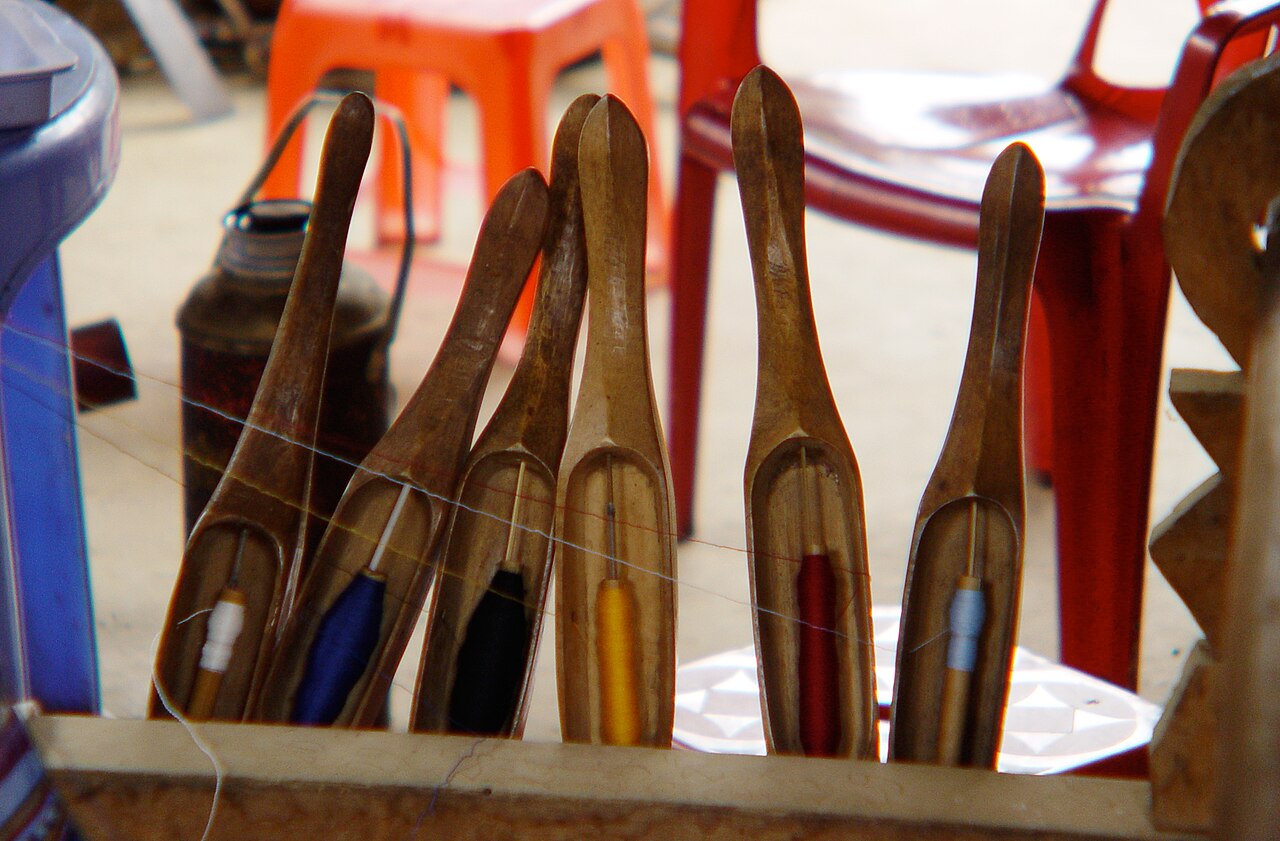
That same continuity shows up in local textiles, which reward a closer look and a unhurried conversation. Asking a seller where a piece was woven, how the threads were colored, and how many days it took turns a simple purchase into a genuine exchange—especially when you buy directly from a maker or a transparent local workshop, rather than assuming every item on a market stall was crafted right in that village.
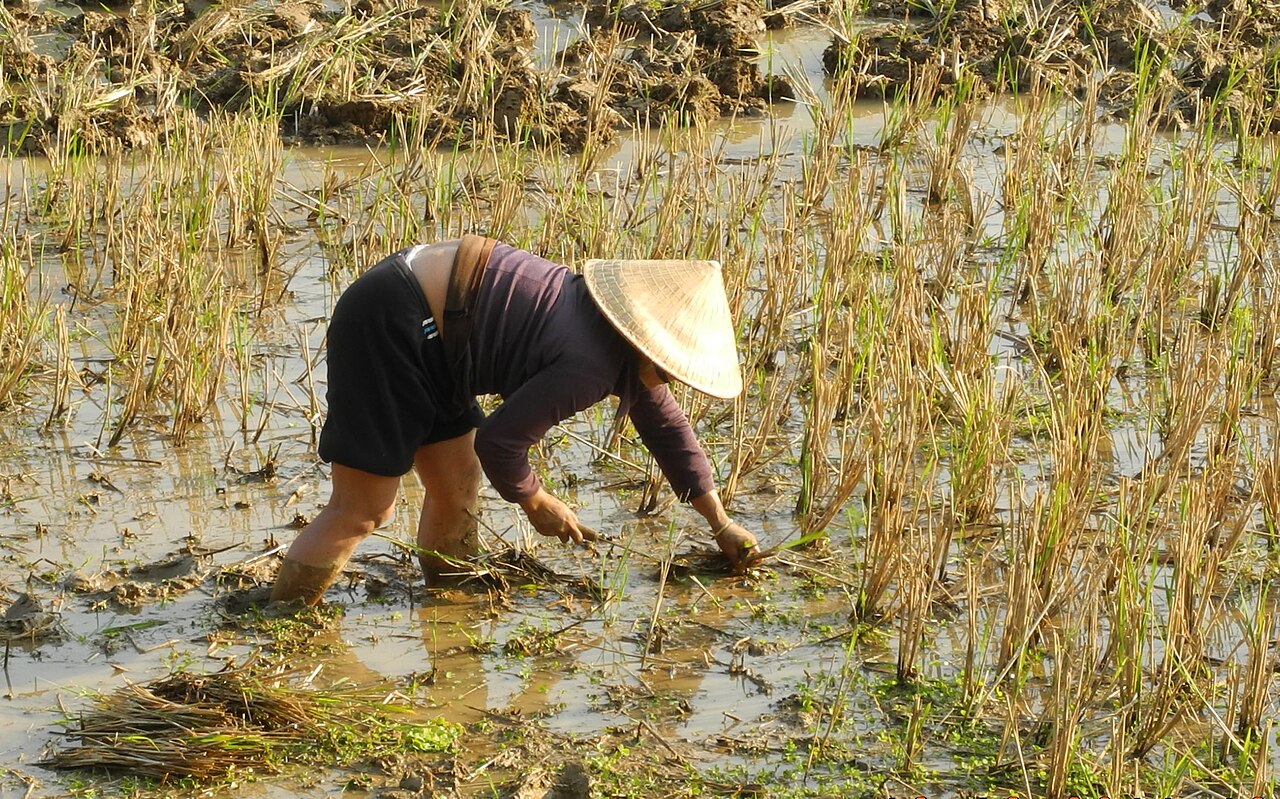
Across orchards, farms, and morning markets, you are witnessing a living, contemporary highland economy where residents wear traditional dress, everyday clothes, or a practical mix of both. Whenever a moment inspires a portrait, a polite request first—and an easy smile if someone declines—ensures that no one’s home or clothing is ever treated like scenery arranged for visitors.
The best encounter begins with curiosity, and leaves room for an answer.
Trade a checklist for a rhythm
After a day or two in the highlands, the urge to rush naturally begins to fade. You start waking early simply for the stillness of dawn rather than to capture every sunrise on camera, wandering village lanes after checking which paths are public, or returning to the same quiet café a second time just because the light feels right. Even a morning market becomes less about souvenirs and more about choosing something you truly care for and learning the story behind it.
A three-day, two-night itinerary works effortlessly when you split your stay—one night tucked into Mai Chau and the next up in Moc Chau. You can leave Hanoi on day one and keep your valley afternoon light, then climb to the plateau on day two for a tea plantation and one nearby stop before taking a final, unhurried stroll on day three ahead of the drive back. Should Na Ka, Ban Ang, Dai Yem, and Bach Long all sit high on your list, adding a third night will keep the journey feeling restorative rather than packed.
Throughout it all, the kindest way to travel here is also the simplest: spend with local hosts, pack your litter back out, and ask before stepping onto anyone’s porch. If you wish to support local children, skip handing out money or sweets along the road and instead ask a nearby school or established community organization what is genuinely needed—leaving everyday life free to unfold naturally, without feeling watched.
A little planning buys a slower trip
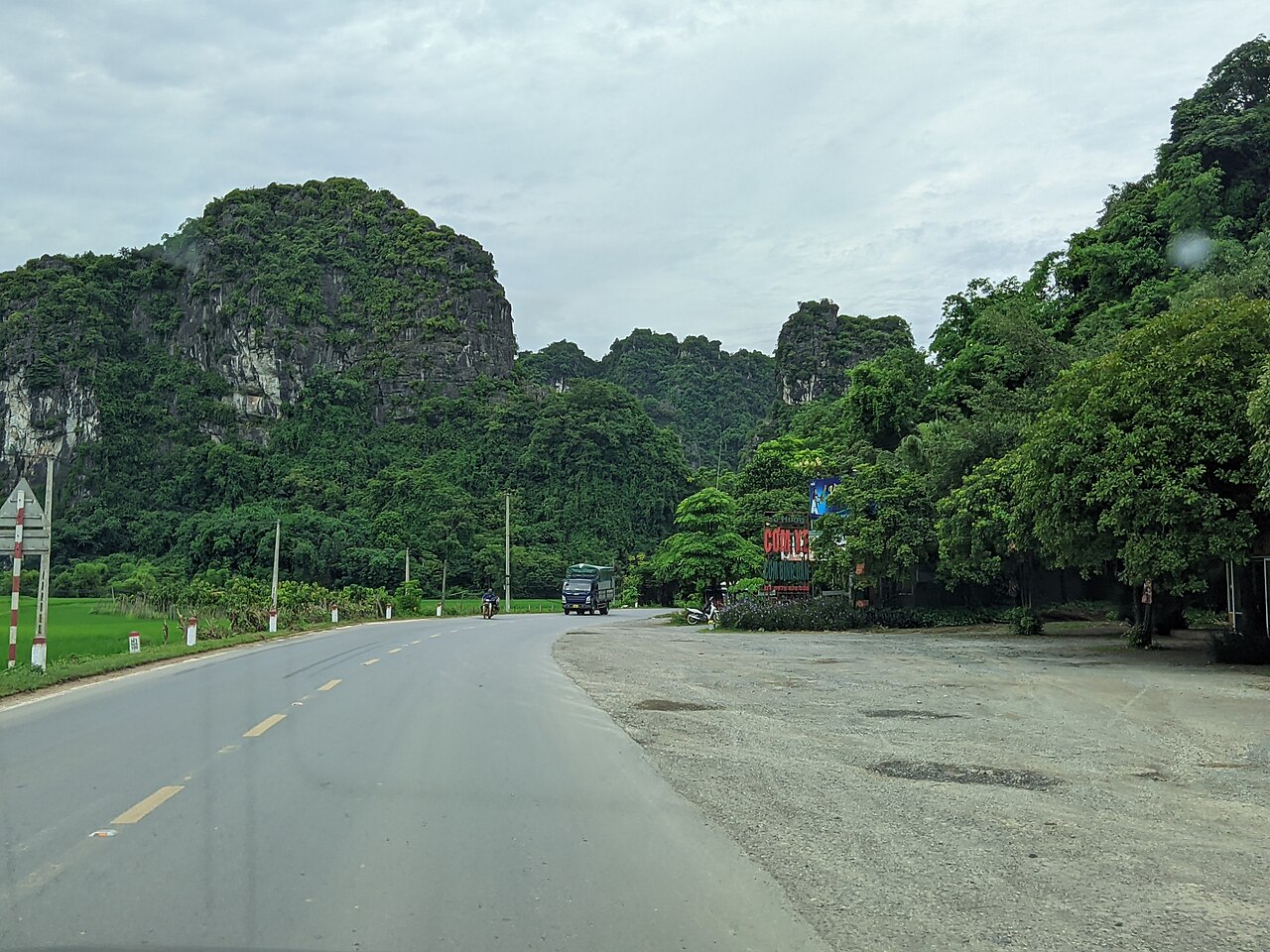
A smooth, unhurried trip begins with realistic expectations on the road. Mai Chau sits roughly half a day’s drive from Hanoi, with Moc Chau stretching farther along the highland route, so it helps to build in cushion for traffic, mountain weather, rest stops, and your homestay’s exact location. If you are booking a shared van, confirm ahead whether it drops you right at your guesthouse or along the main highway—and whenever possible, travel in daylight so the winding mountain passes become part of the pleasure.
Where you sleep shapes the tone of your days just as much as where you roam. A communal room in a traditional stilt house brings lively camaraderie, though privacy, bathrooms, bedding, and soundproofing vary widely from place to place. Families or light sleepers may feel more at ease in a private room or lodge, and a quick check beforehand on hot water, cold-weather heating, and evening quiet will save any surprises.
For a three-day, two-night trip, an editorial planning allowance of roughly US$150–250 per person comfortably covers modest stays, shared transport, local meals, and a handful of ticketed sights. Keep in mind that this is a planning benchmark rather than a fixed quote—private cars, holiday surcharges, upscale lodges, and major attractions will push totals higher—so ask for a written cost breakdown and tuck away a small contingency.
Finally, pack smartly for shifting mountain conditions with breathable layers, comfortable walking shoes, a reliable rain shell, and enough cash for small village purchases. Mist and heavy rain demand real respect on highland roads: hiring an experienced local driver is often the wisest choice, while renting a motorbike should rest on proper licensing, valid insurance, and genuine mountain-riding skill rather than the mere romance of the route.
Choose the season that suits your story
When is the best time to go? Mai Chau is at its mildest and most comfortable from March to May and again from September to November. Moc Chau shifts character throughout the year, offering cool-season blooms, clouds of plum blossom around January and February, and lush green hills through the summer. Because rain, cold snaps, and local farming calendars matter far more than any promise of "perfect" colors, asking for recent photos right before you travel is the surest way to catch a specific blossom or harvest.
Can I explore comfortably without a motorbike? Yes. You can book intercity vans from Hanoi and let your accommodation arrange short local transfers. Mai Chau’s flat valley lanes are wonderful on foot or by bicycle, while Moc Chau’s more spread-out sights are easiest to enjoy when you group each half-day by neighborhood rather than assuming everything lies within walking distance.
Is this route only suited to budget travelers? Not at all. Both regions now offer a wide spectrum of comfort, from rustic family homestays to polished boutique lodges. Their enduring charm has less to do with how much you spend and more to do with balancing everyday comfort against fresh air, unhurried encounters, and space in your schedule.
What tends to linger longest after returning home? More often than not, it isn’t the grandest panoramic overlook—it is the warmth of freshly peeled com lam in your hands, the soft curve of a tea ridge after rain, or a porch conversation that stretched pleasantly past dusk. Leave a little open space in your days for those moments; they are almost always the ones that travel home with you.
Mai Chau & Moc Chau, on the map
Choose an area to explore places mentioned in the story. Pins are approximate; dashed connections show geographic context, not a driving route or exact entrance.
Loading map; the stops below remain usable.
- 1. Lac VillageStilt houses, walks and cycling on public lanes.
- 2. Pom Coong VillageVillage life and stilt-house accommodation.
- 3. Tan Lap tea-growing areaArea pin: confirm visitor access with the farm.
- 4. Na Ka plum valleyConfirm blossom or fruit-picking conditions before travel.
- 5. Ban Ang pine forestLakeside walks; check the current entrance.
- 6. Dai Yem WaterfallSeasonal water flow; stay within permitted viewing areas.
- 7. Bach Long Glass BridgeOptional ticketed visit, distinct from the Love Glass Bridge.