This guide is independent travel-planning advice, not an offer of a confirmed tour, departure, fare or reservation.
Choose between city, waterways and coastline
Ho Chi Minh City offers museums, neighbourhood walks, historic buildings and a wide range of food experiences. The Mekong Delta feels different, with canals, orchards, local markets and river communities. Farther afield, coastal and island trips require another set of transport and weather decisions. Do not assume every southern destination is a short add-on from the city.
For a first journey, decide whether you prefer several urban days with an optional countryside visit or a slower river-based itinerary. A route with fewer transfers usually provides more time to see how everyday life works, rather than spending much of the trip moving between hotels.
Ho Chi Minh City: travel by neighbourhood, not a giant checklist
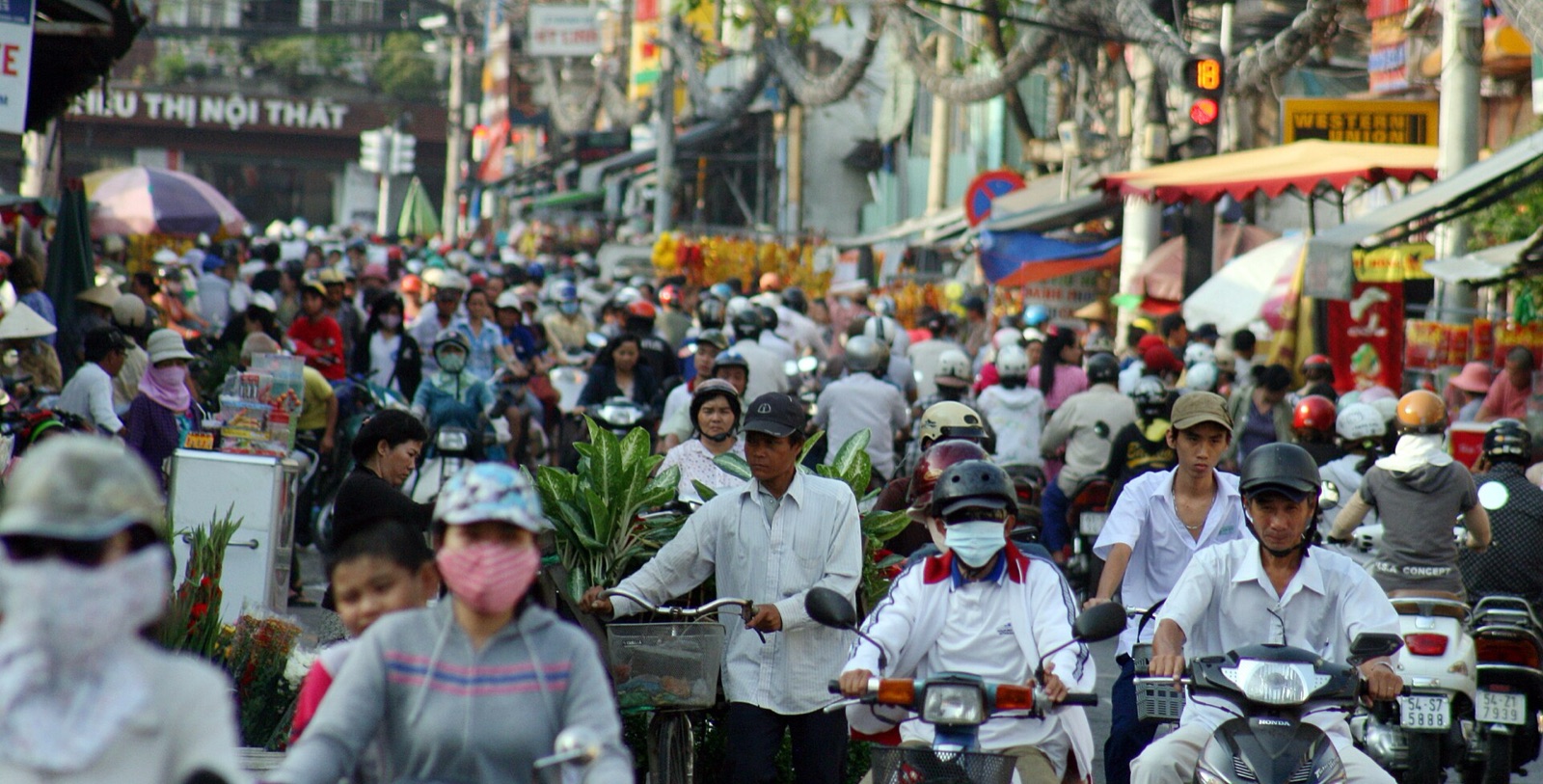
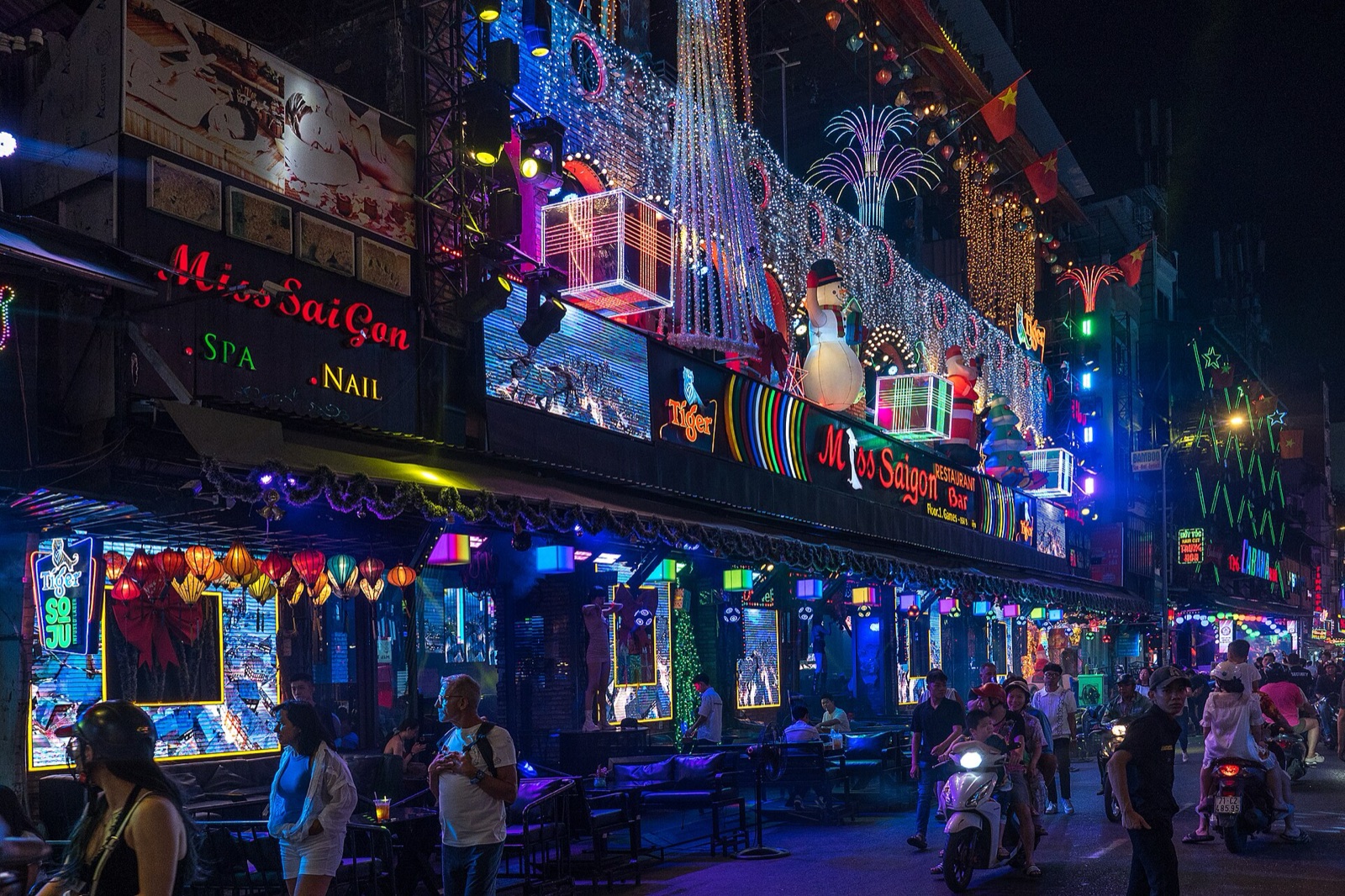
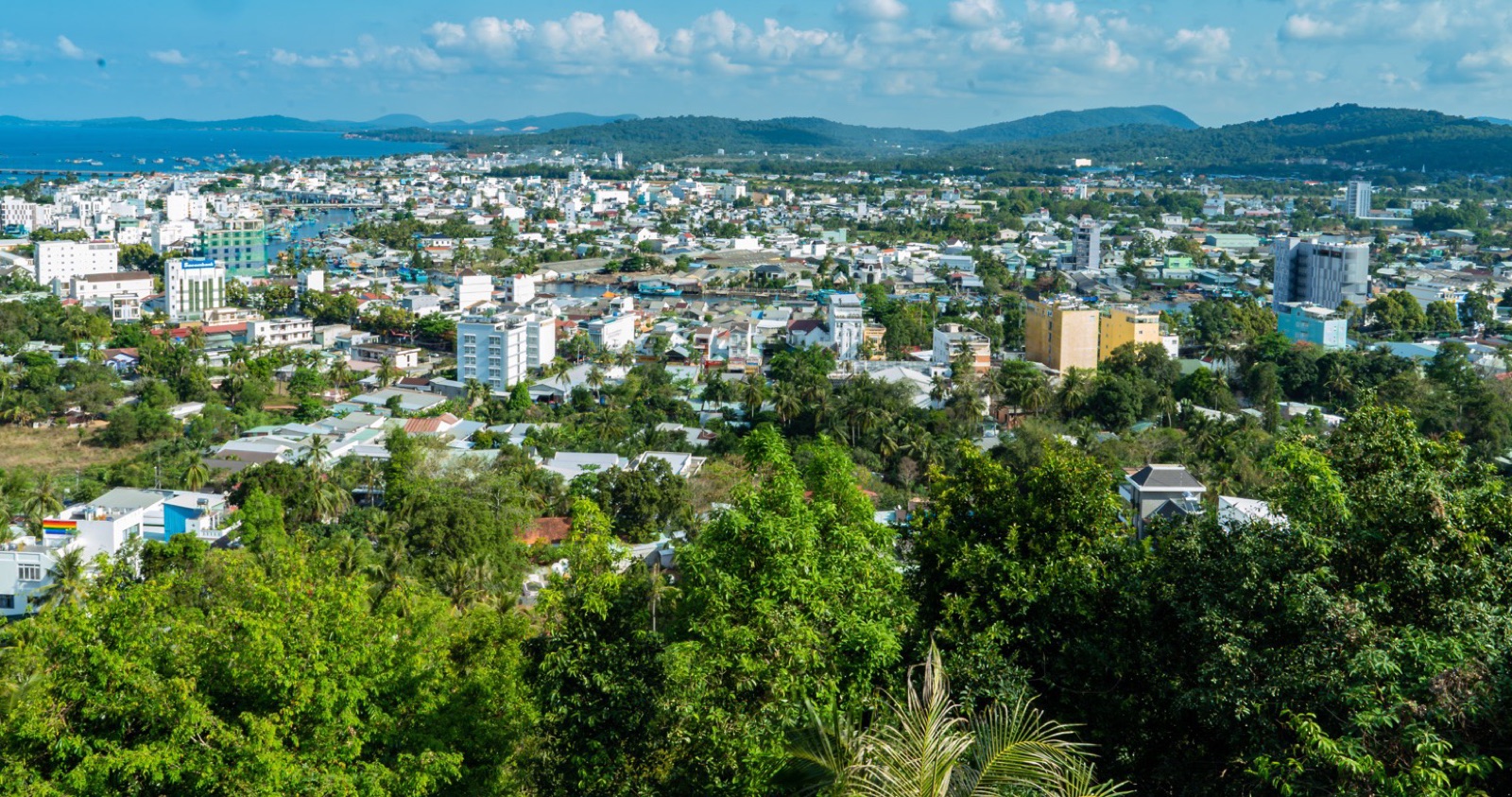
Start with a small group of nearby sights and allow for traffic between districts. Museums, markets, public buildings and older streets each tell a different part of the city's history. Opening hours, entrance rules and exhibitions change, so confirm official information for the specific places you plan to visit.
Use established transport providers or official app pickup points, confirm the vehicle before boarding and keep valuables secure on busy streets. A food-focused evening can complement a museum day, but avoid assuming every street stall can meet dietary restrictions. Ask about ingredients and prices directly.
The Mekong Delta: a region, not one boat ride
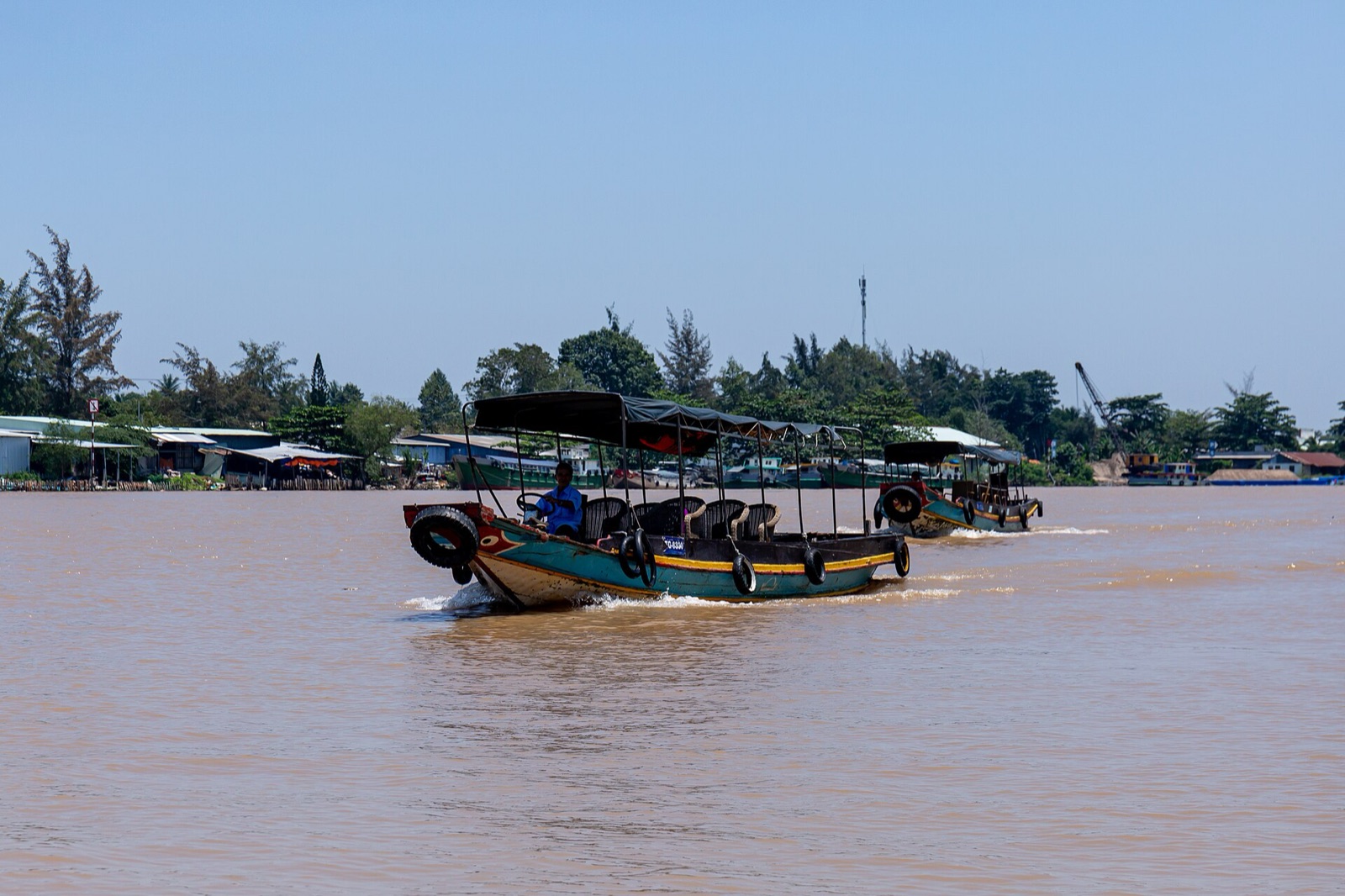
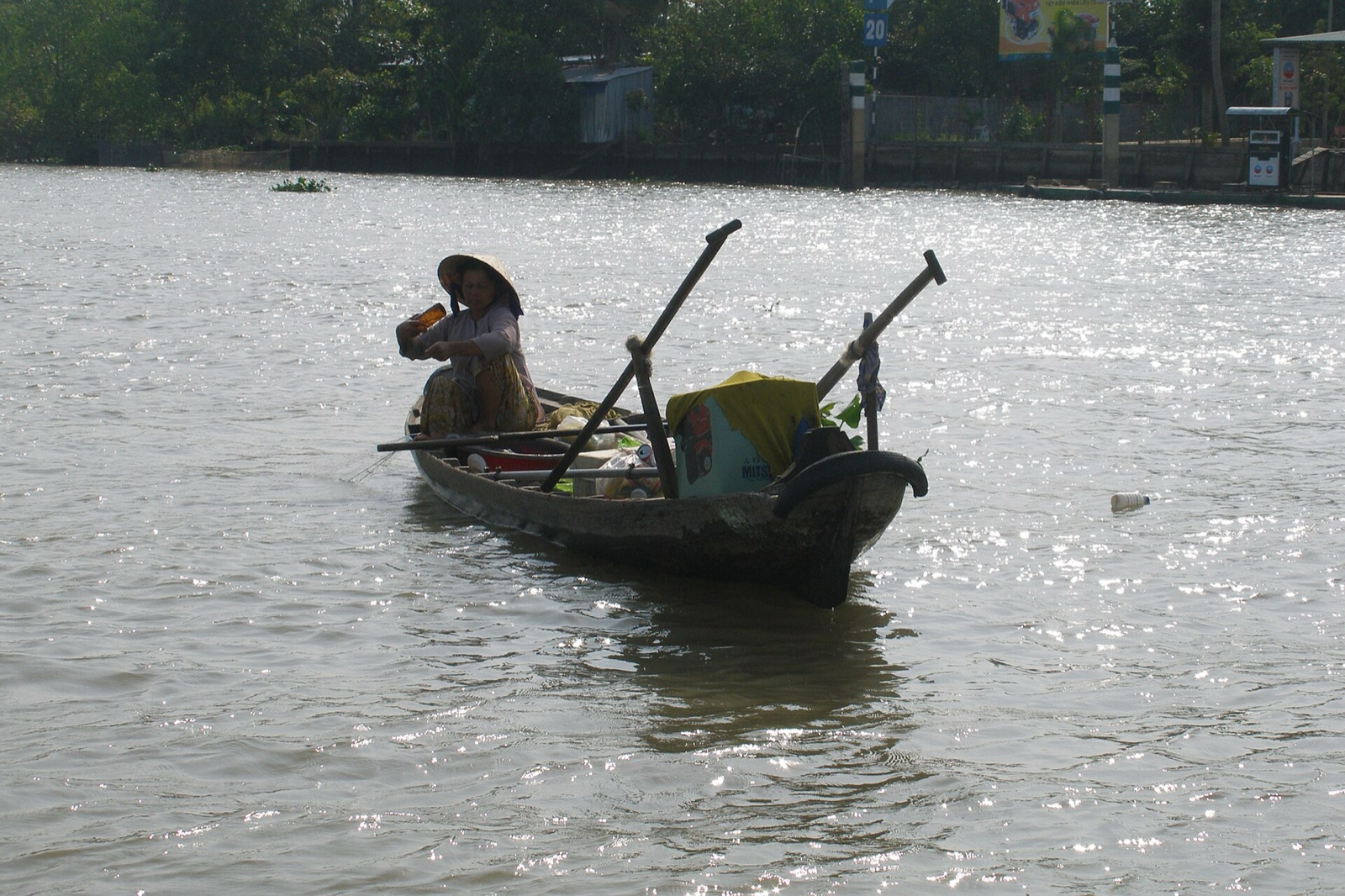
Vietnam's tourism authority describes several ways to travel in the Delta, including boat trips, cycling and locally operated homestays. A day excursion can introduce canals and orchards; an overnight stay gives more time to notice the rhythm of a river town. Floating-market activity and visiting access vary by place and day.
When comparing tours, ask where the boat actually goes, how much of the day is spent in the vehicle and which stops are demonstrations or commercial shops. Choose small-group or locally operated experiences when they clearly explain the community context and offer transparent inclusions. Avoid approaching homes or working boats without permission.
Islands and seaside plans need their own weather window
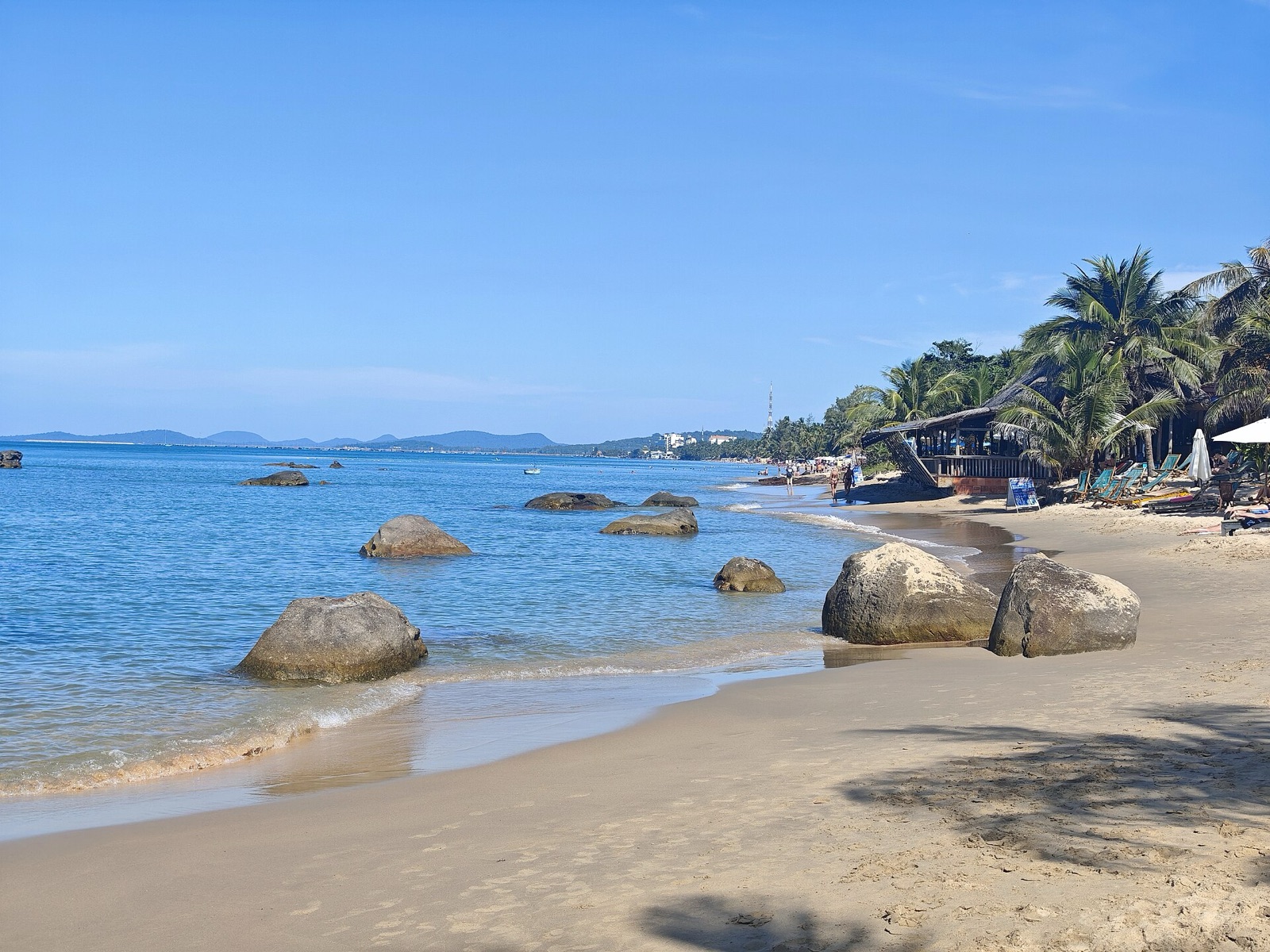
Places such as Phu Quoc and Con Dao have different transport links, access arrangements and coastlines from the mainland's major cities. Flights, ferries, marine conditions and accommodation availability can affect the plan; always use current operator information rather than assuming a fixed timetable.
If an island visit is your priority, consider planning it as a dedicated leg rather than a tightly timed final stop before an international departure. Water activities depend on sea conditions and local rules. The best beach for one traveller is not necessarily the most practical for someone who needs accessible transport or a quiet stay.
Seasonal planning and personal safety
Southern Vietnam is often described in terms of wetter and drier periods, but short-term rain, high heat and local flooding still matter more than a simplified monthly label. Carry drinking water, keep digital bookings available offline and choose a safe alternative when heavy rain or lightning affects outdoor plans.
Before booking a Mekong boat or island transfer, check weather warnings and cancellation terms. In cities, compare travel by distance and time of day rather than by map length alone. For rural cycling or boat journeys, confirm safety equipment and the operator's response plan if conditions change.
How to build a sensible first route
Use Ho Chi Minh City as an arrival base, with time for orientation, history and food. Add a single Delta stop if river landscapes interest you, allowing an overnight when you want a less rushed experience. Plan coast or island travel only when it fits the dates and budget without creating risky onward connections.
Keep the number of hotel changes low and separate must-do activities from optional extras. Ask accommodation providers to confirm Vietnamese-language pickup instructions and save copies offline. A good itinerary leaves room for weather, long lunches and the unplanned moments that make travel memorable.
Six days, realistically paced
Flex days and transfers depend on current services, weather and individual mobility.
Arrive in Ho Chi Minh City
Begin with a walk through a manageable central neighbourhood rather than scheduling a long excursion on arrival day. Urban traffic is intense and crossing streets requires patience and attention. Settle into the local atmosphere through a museum, public square or an early meal, depending on your energy. Keep belongings secure in crowded places, use established transport providers and confirm tomorrow's meeting point. The first night is about orientation rather than maximising stops.
History, markets and the living city
Choose one historical museum or cultural landmark and give it genuine attention. Move through a market during suitable hours, remembering that sellers are working and may not welcome intrusive photography. Food walks can be rewarding when guided responsibly, but heat and traffic justify pauses. Save the afternoon for a neighbourhood experience rather than crossing the city repeatedly. A second night in Ho Chi Minh City allows an easier road start for the delta the next morning.
Road to Ben Tre's waterways
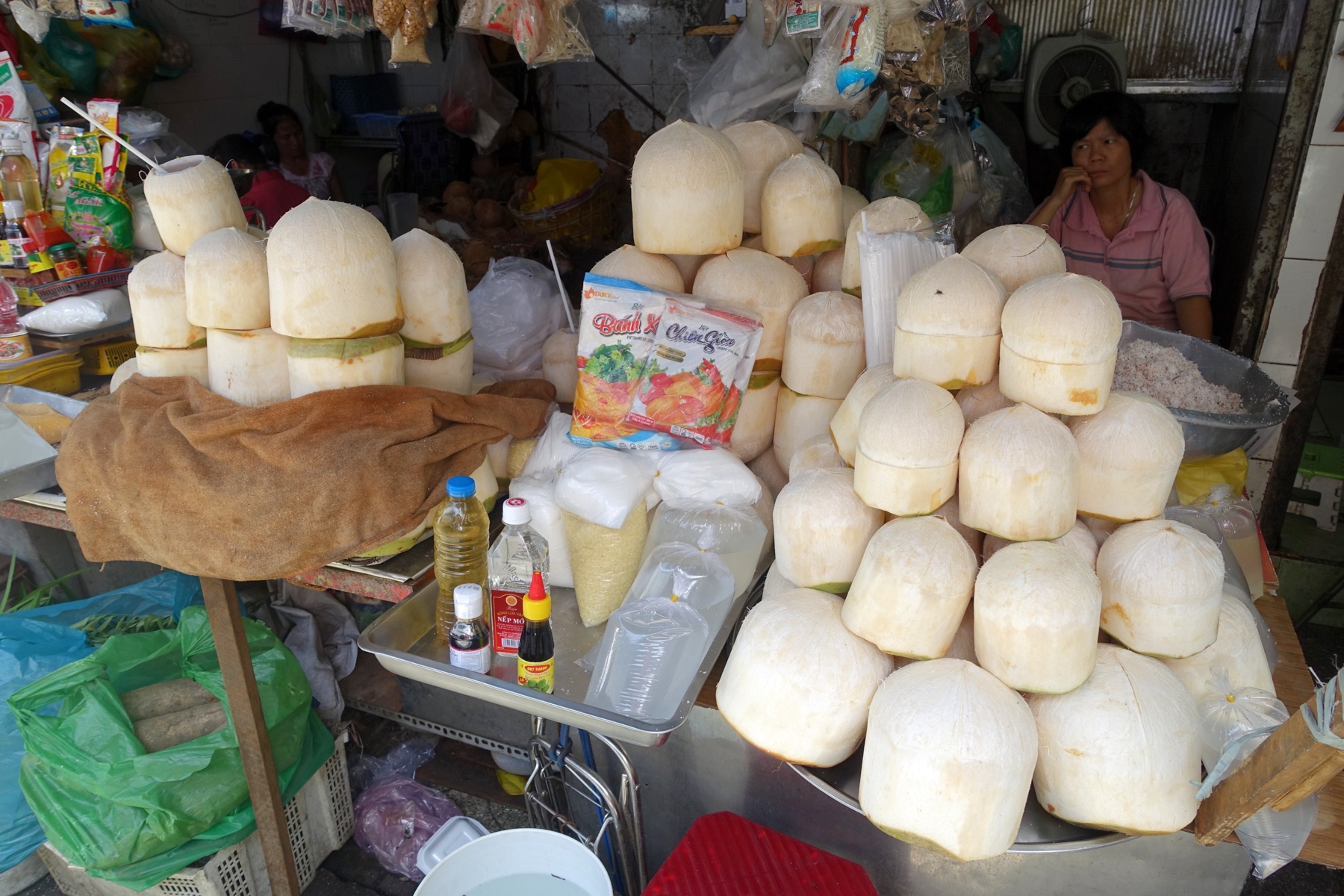
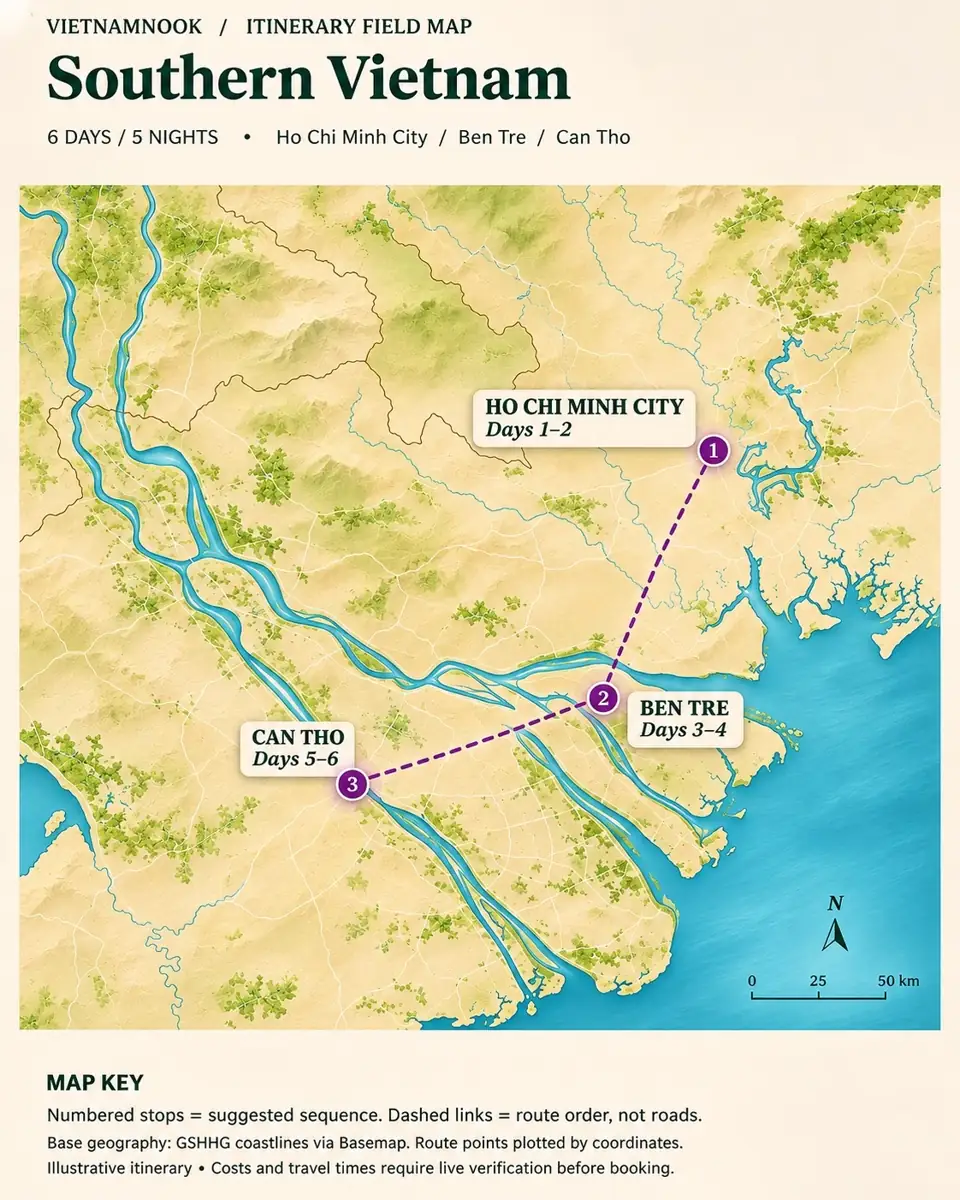
Travel by road toward Ben Tre, allowing time for city exits and any traffic near river crossings. Once there, a small-scale, responsibly guided waterway visit can introduce orchards, coconut processing and everyday river life. Ask whether the boat journey visits working households by consent rather than using staged experiences. One night in Ben Tre offers the chance to hear and see a slower rhythm after day visitors have left. Check where the next day's pickup begins.
Toward Can Tho
Continue toward Can Tho by road; there is no passenger railway joining Ho Chi Minh City, Ben Tre and Can Tho along this itinerary. Build the day around the drive, a local food stop and an afternoon on the riverside rather than treating the transfer as empty time. Can Tho is a regional centre, not a village frozen for visitors. Confirm tomorrow's river departure time with a reputable local boat operator, and sleep in Can Tho for the first of two nights.
A river morning and a quieter afternoon
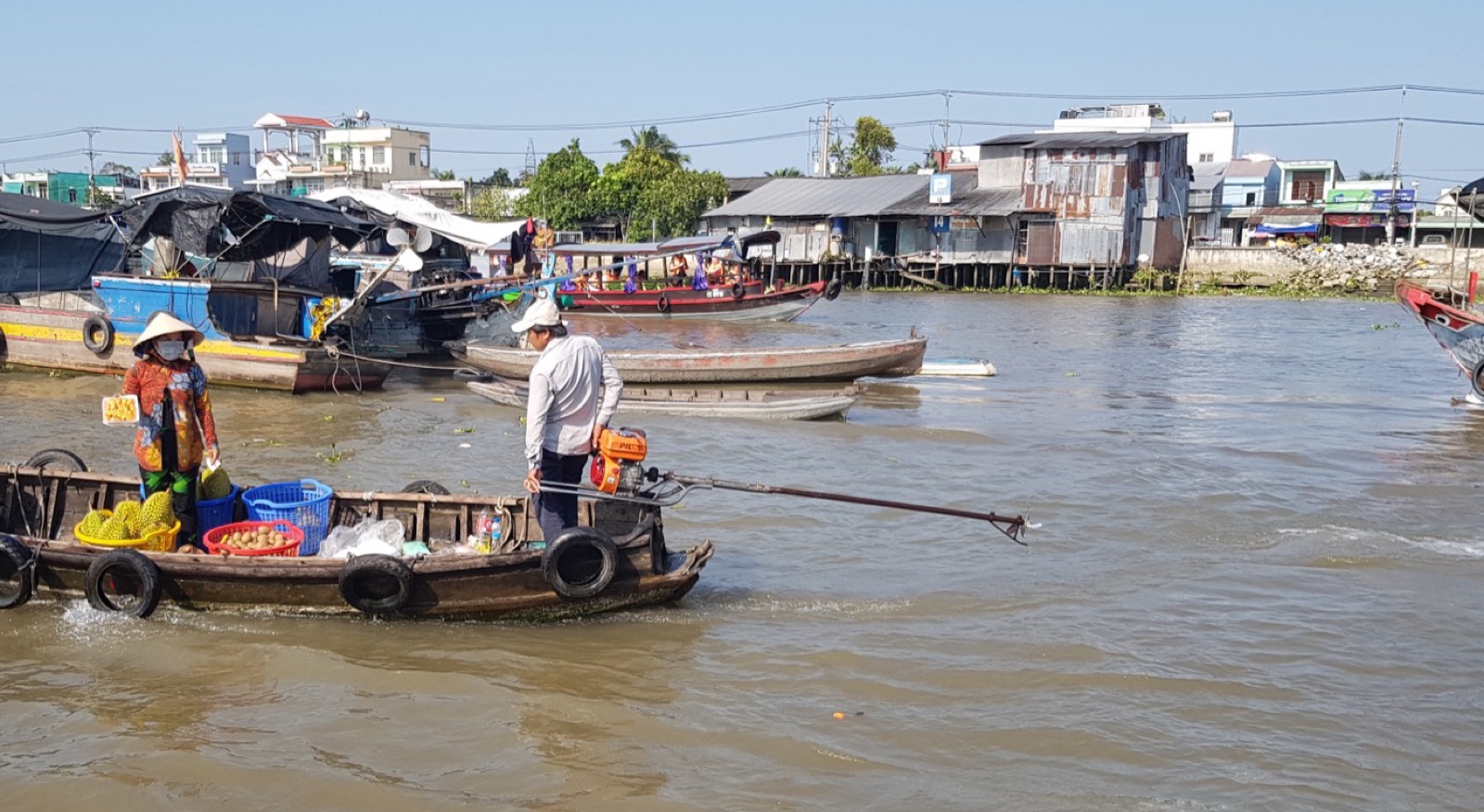
An early trip to a floating-market area is only worthwhile if the current level of activity fits your expectations; trading patterns evolve and no operator can guarantee a crowded postcard scene. Check boat safety and the weather and keep your wake-up time realistic. Spend the remainder of the day visiting a garden, neighbourhood or local food area, with space for conversation and unplanned discoveries. A second Can Tho night gives you room to experience the city beyond a dawn photo stop.
Depart from Can Tho or return to Ho Chi Minh City
If an available flight from Can Tho works for your onward journey, check the actual route and baggage rules. Otherwise return by road to Ho Chi Minh City with ample time for congestion and any international flight connection. The same-day return and flight combination is sensitive to delay; an extra airport-area night may be prudent. Phu Quoc is a separate island extension with its own flights and nights, not a hidden extra stop within these six days.
Make the route your own
Why the delta works better by road
Between these three bases, ground transport is the practical connection. Budget for actual pickup/drop-off points and whether a boat excursion is shared or private.
Markets are working places
Ask permission for close-up portraits, avoid blocking vendors and accept that river commerce changes with road access and daily demand.
Where an island fits
Phu Quoc can be a worthwhile separate beach extension after Can Tho or Ho Chi Minh City if time and flights allow; do not promise it fits the same five-night land budget.
Indicative six-day costs
Estimated land-trip totals in millions of VND for six days and five nights. Planning estimates only—not live prices or bookable offers.
| Cost | Solo (1) | Couple (2) | Family (4) |
|---|---|---|---|
| Accommodation (5 nights) | 1.4–3 | 2.4–5 | 3.8–7.6 |
| Meals | 1–2 | 1.8–3.3 | 3.1–5.2 |
| Ground transfers | 0.9–2.1 | 1.5–3.2 | 2.3–4.5 |
| Admissions and activities | 1–2.1 | 1.7–3.9 | 2.8–5.5 |
| Contingency | 0.6–1.1 | 0.8–1.2 | 0.9–2 |
| Estimated total | 4.9–10.3 | 8.2–16.6 | 12.9–24.8 |
Flights additional: A Hanoi–Ho Chi Minh City round trip or a different onward flight from Can Tho is not part of the land budget. Check current published carrier fares for your actual dates. Check Vietnam Airlines and Vietnam Railways for date-specific fares.
Family estimate assumes 2 adults and 2 children. Insurance, visas, international travel, premium excursions and shopping are excluded. Reconfirm availability, child rules and all transport prices.
Illustrated route overview
Common planning questions
Can the Mekong Delta be a day trip from Ho Chi Minh City?
Yes, some accessible areas can be visited as a day trip, but the Delta is extensive. An overnight stay is a better choice for a slower pace or more distant locations.
Should I add Phu Quoc to every southern itinerary?
No. Make it a dedicated priority only if beaches or island time are important enough to justify the extra travel and weather planning.
When should I recheck boat and ferry plans?
Confirm the operator's latest schedule, safety advice and weather policy near departure; a previous online itinerary is not a guarantee of current operations.
Further reading
Related articles from our travel websites: