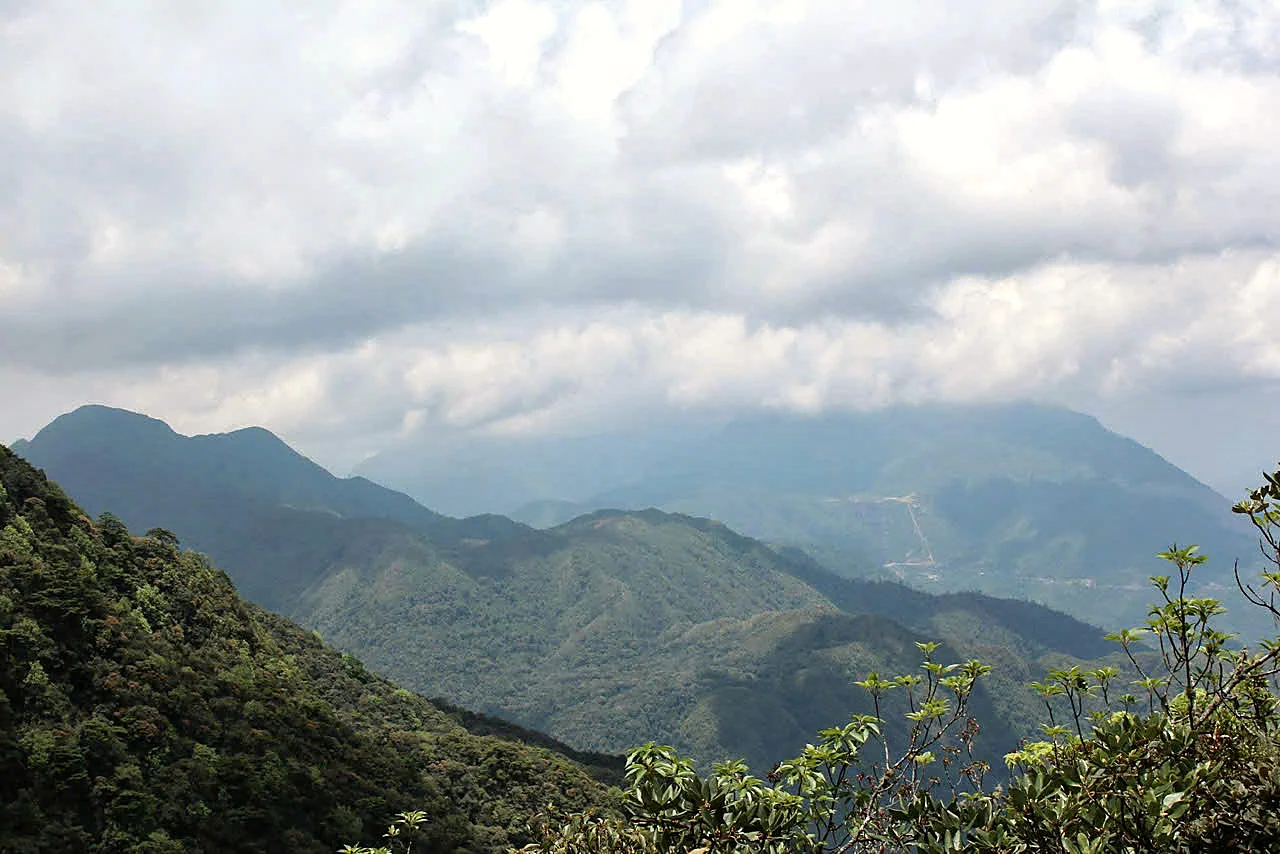
First-person memoir · 2012 trek
Fansipan Trek Before the Cable Car: Four Days That Shaped Our Youth
Fansipan · 2012 · Four days, three nights
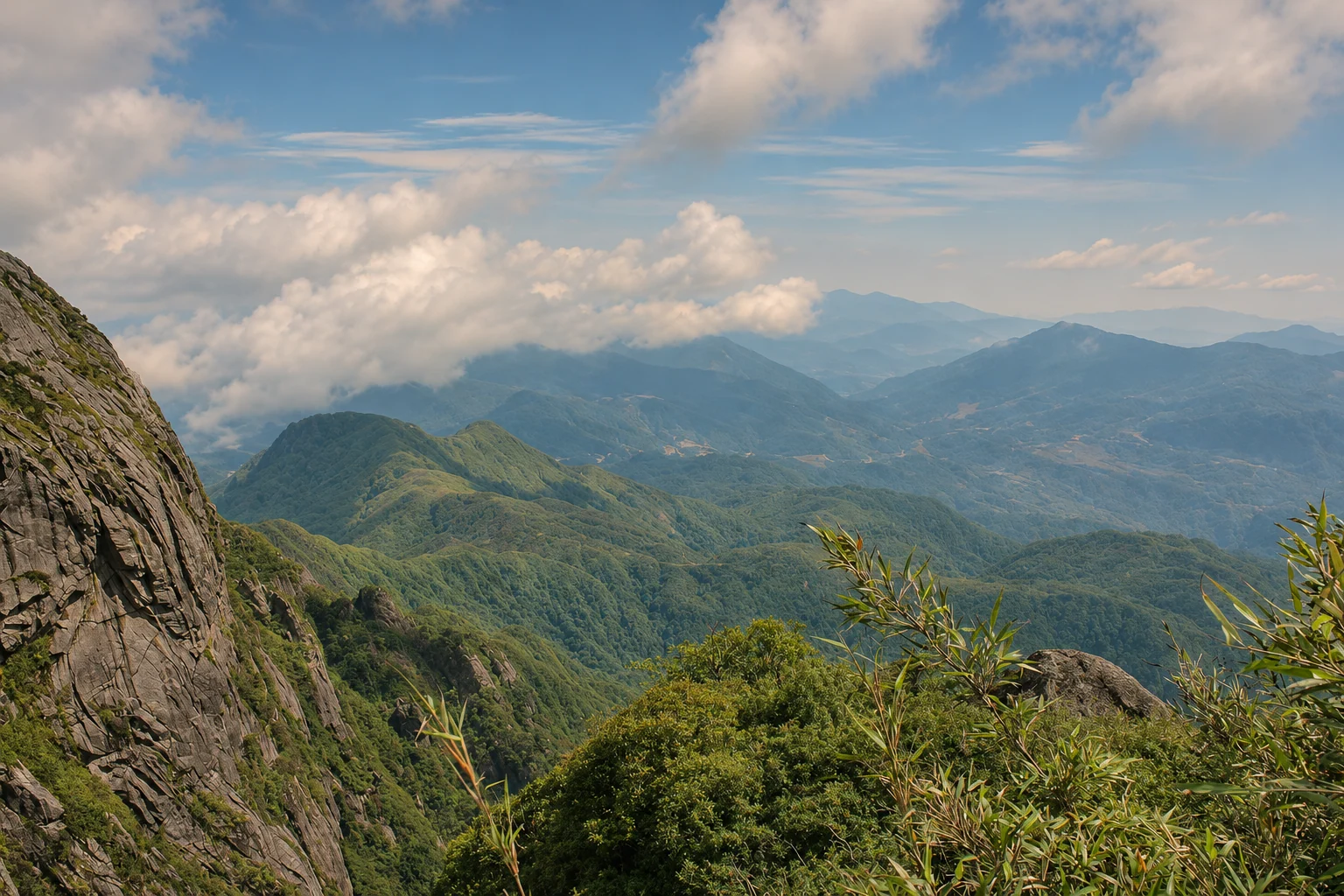
In 2012, before the cable car was built, we embarked on a 4-day, 3-night trek from the foot of Fansipan, the hardest trail to conquer. Our gear included a hat, raincoat, good hiking boots, a sleeping bag, and a good camera. Every step was a challenge, but also an opportunity to discover ourselves and create unforgettable memories.
That is where this story begins: not with a checklist of summits or a promise that every traveler should follow the same route, but with a choice made while we were young. We wanted to discover what lay beyond an easy arrival. Four days and three nights sound like a neat itinerary when written on a page. Inside the memory, they stand for a willingness to spend time and energy on something uncertain. We went toward the mountain because reaching it by foot mattered to us, not because there was a convenient way to skip the journey.
A mountain before the cable car
The Fansipan cable car opened on February 2, 2016, four years after our trip. Visitors today can therefore encounter the mountain in a very different way. The cable car is not an enemy of adventure; it simply offers another experience. Our own Fansipan trekking experience belonged to the years when we expected to travel through the forest and carry the commitment of the trail across several days.
The invisible architecture of a four-day trek
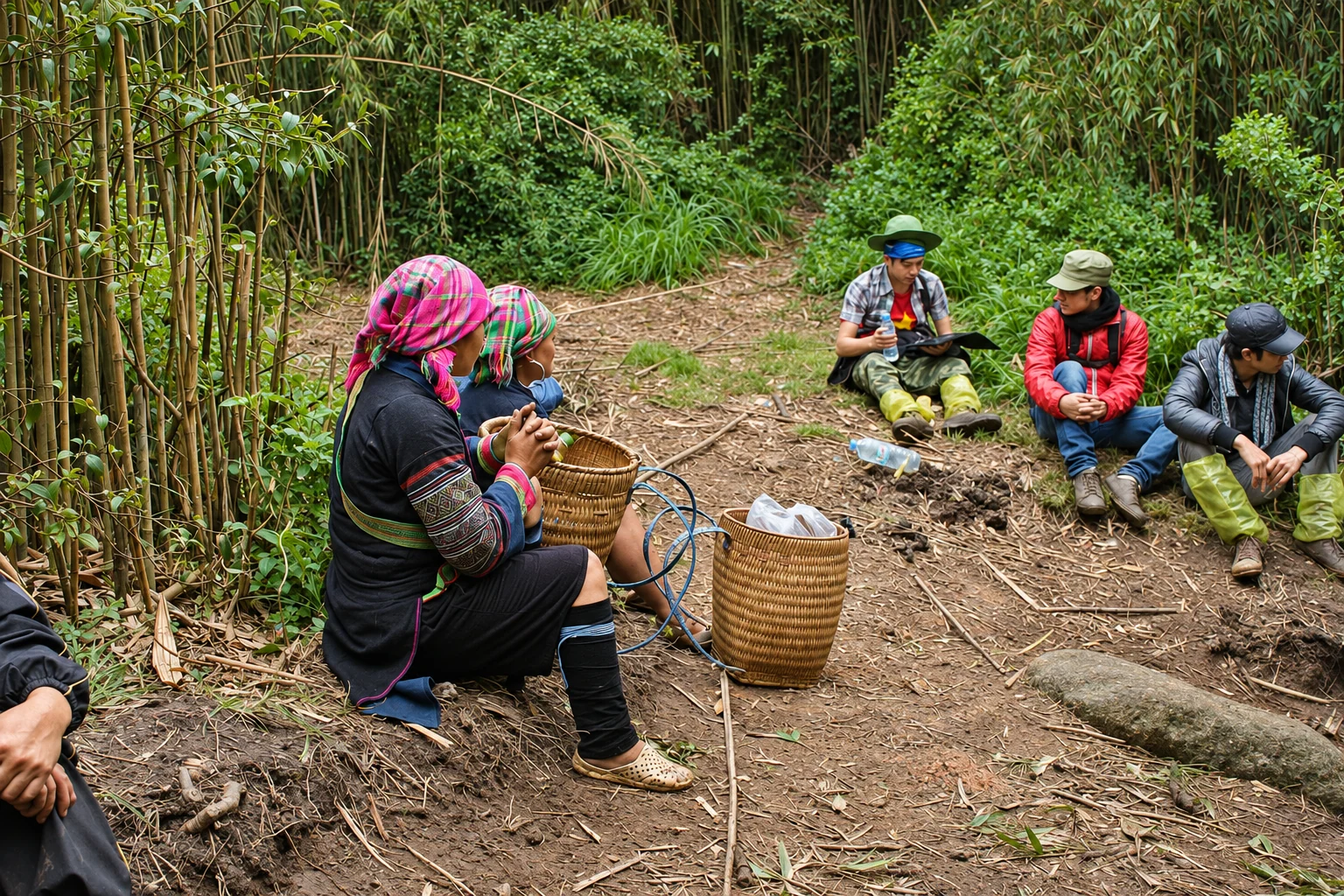
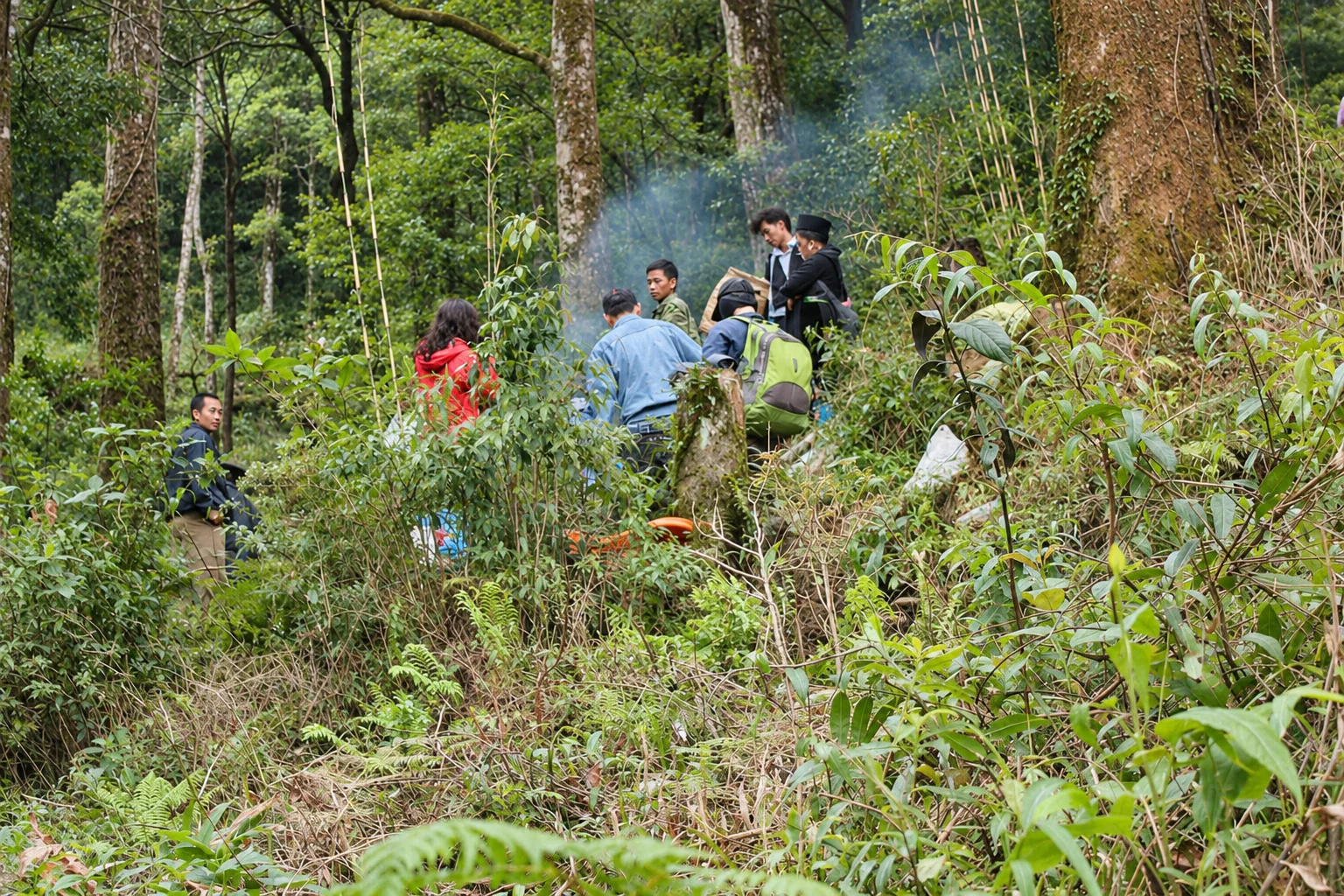
Local ethnic porters carried cooking equipment and food for us. We ate, slept, and camped in the forest. Each logistical support was foundational in our bold ascent. These are the first bricks in the architecture of life, laying the groundwork for future journeys.
When we recall our progress, we also remember the difference between personal determination and collective effort. It is tempting to describe an ascent as one person's victory over nature. Our account tells a more useful story: the summit experience rests on cooperation. For younger travelers planning their first serious hike, respect for porters, guides and other local workers should be part of the adventure, not an afterthought or an optional courtesy.
What the long route gave us
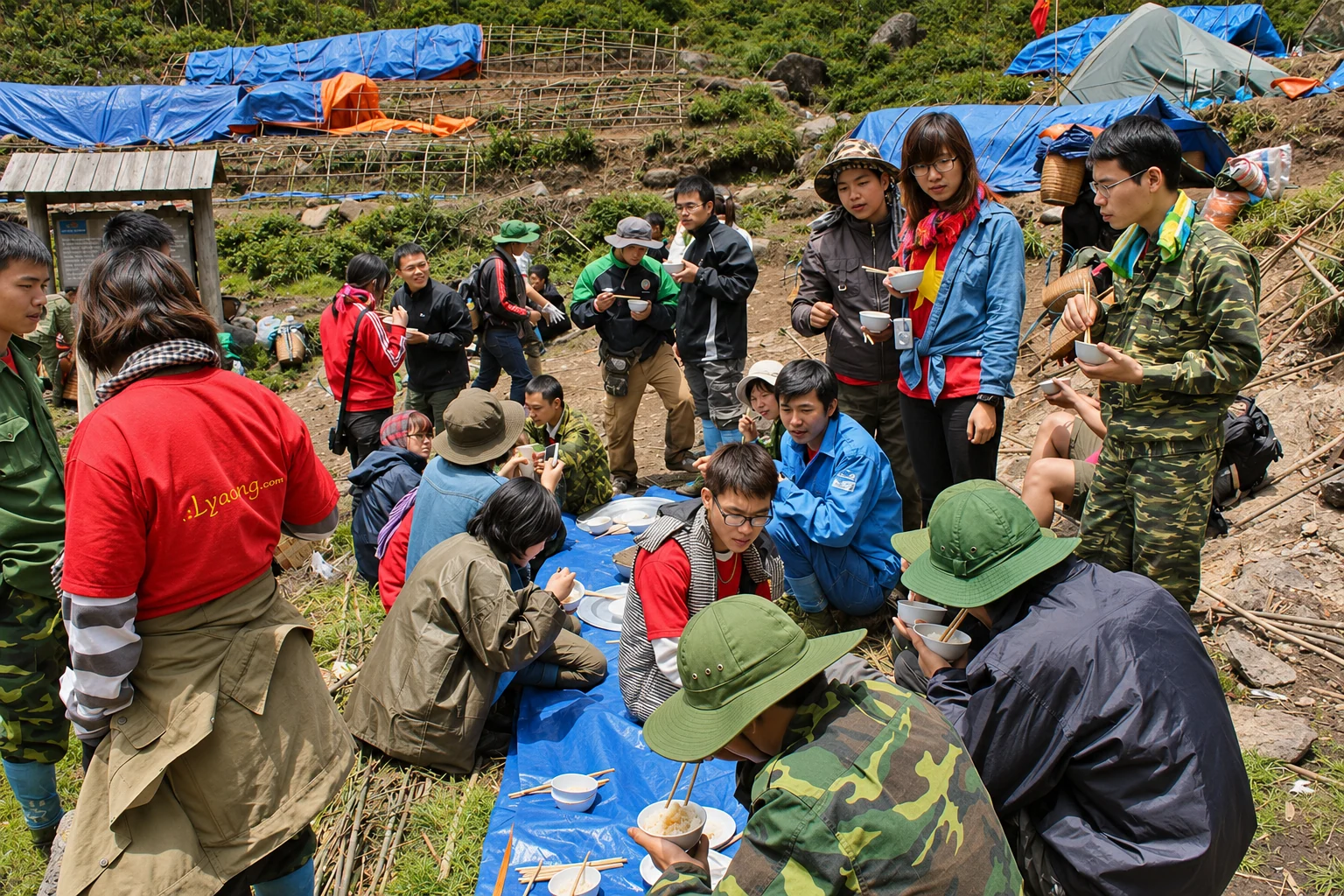
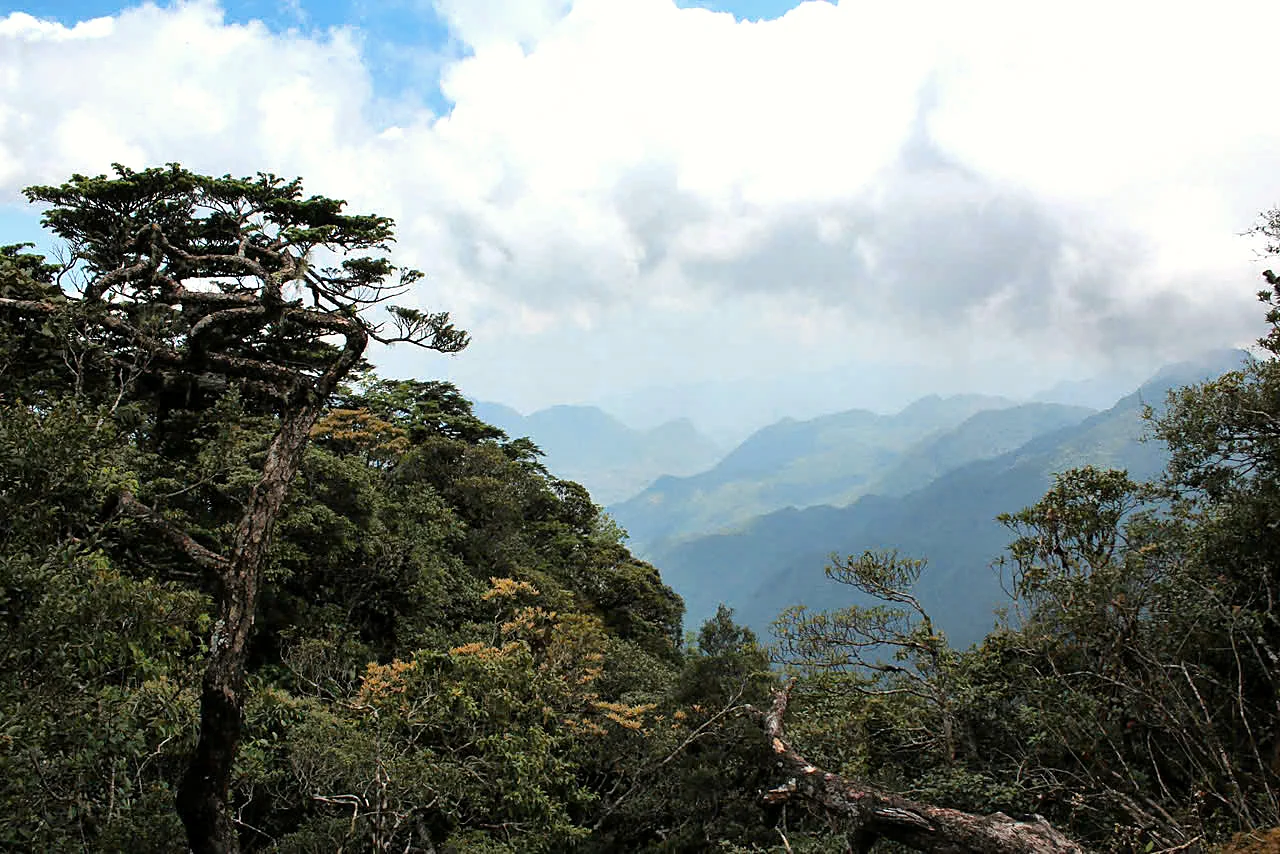
The hardship proved deeply worthwhile. The natural mountain and forest scenery that easy routes can never offer was captured by our good camera. These photos are not just memories but a record of our efforts and strength.
The landscape mattered because we had spent time moving through it. A photograph can show mountains, trees or the changing scale of the terrain, but it cannot contain every reason the image later becomes precious. The value also comes from knowing that we were there, committed to the route with the people around us. A picture of a forest may be beautiful to a stranger; to the person who made the journey, it may hold an entire period of life.
This is why our story is not a race report. We do not have a verified route name, a complete elevation record or a reliable sequence of hour-by-hour stages from that trip. The original account calls it the hardest trail, which expresses how it felt to us. It should not be mistaken for an independently measured ranking of Fansipan routes. What we can say with confidence is simpler and more meaningful: we chose a demanding four-day journey and found it worth the effort.
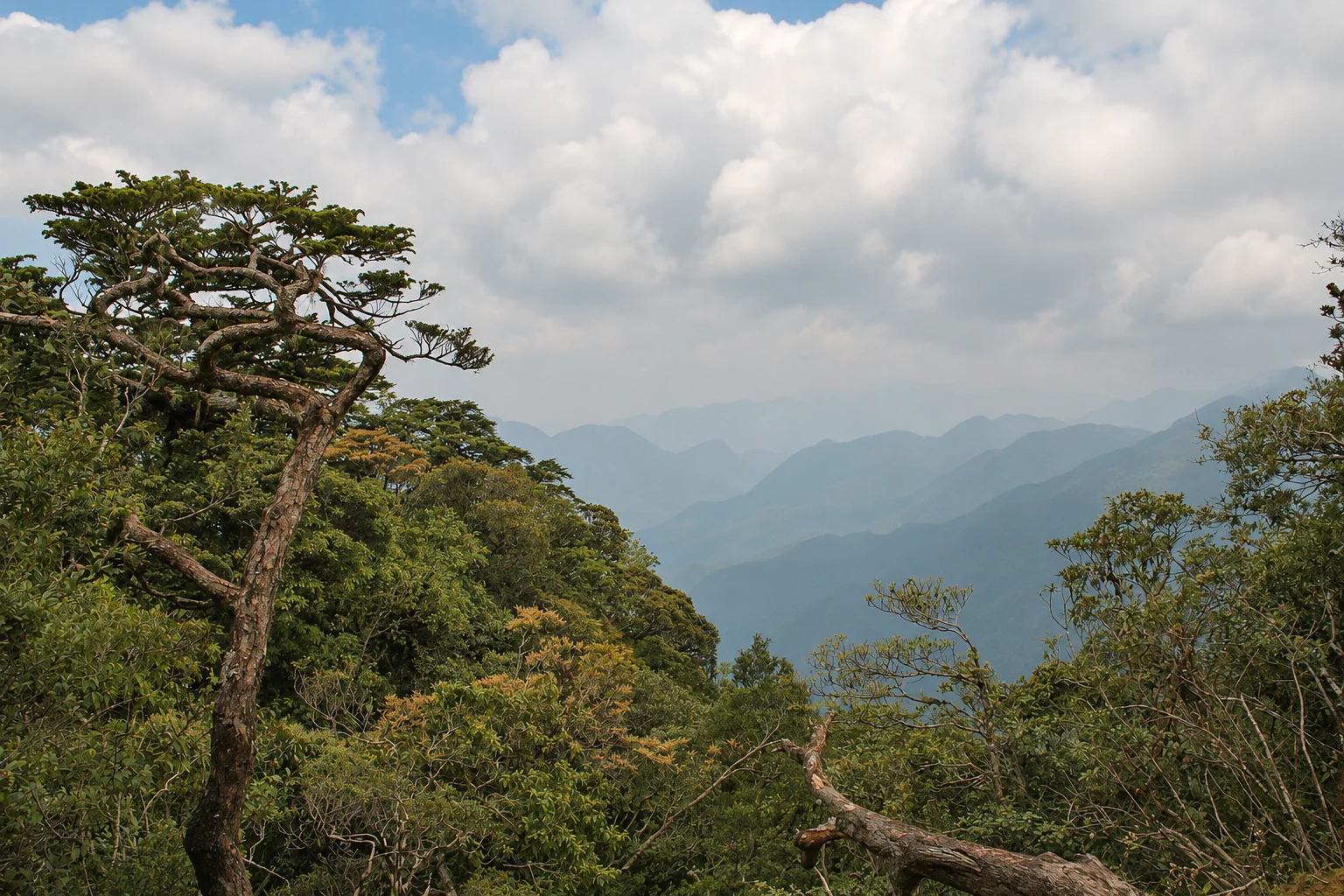
A camera as a witness
The camera was not only an item on our packing list. In the years that followed, its photographs became a way to return to an experience that could not be recreated exactly. Some images are valuable because of their scenery. Others matter because they place familiar people inside the wider story of our youth. Both kinds belong together: the landscape provides context, while the people give the memory its human scale.
The images used with this memoir come from the author's own 2012 archive. They should retain their original ownership information and accurate captions. Contemporary reference photographs, if added, must be labeled separately and never presented as footage of the 2012 trek.
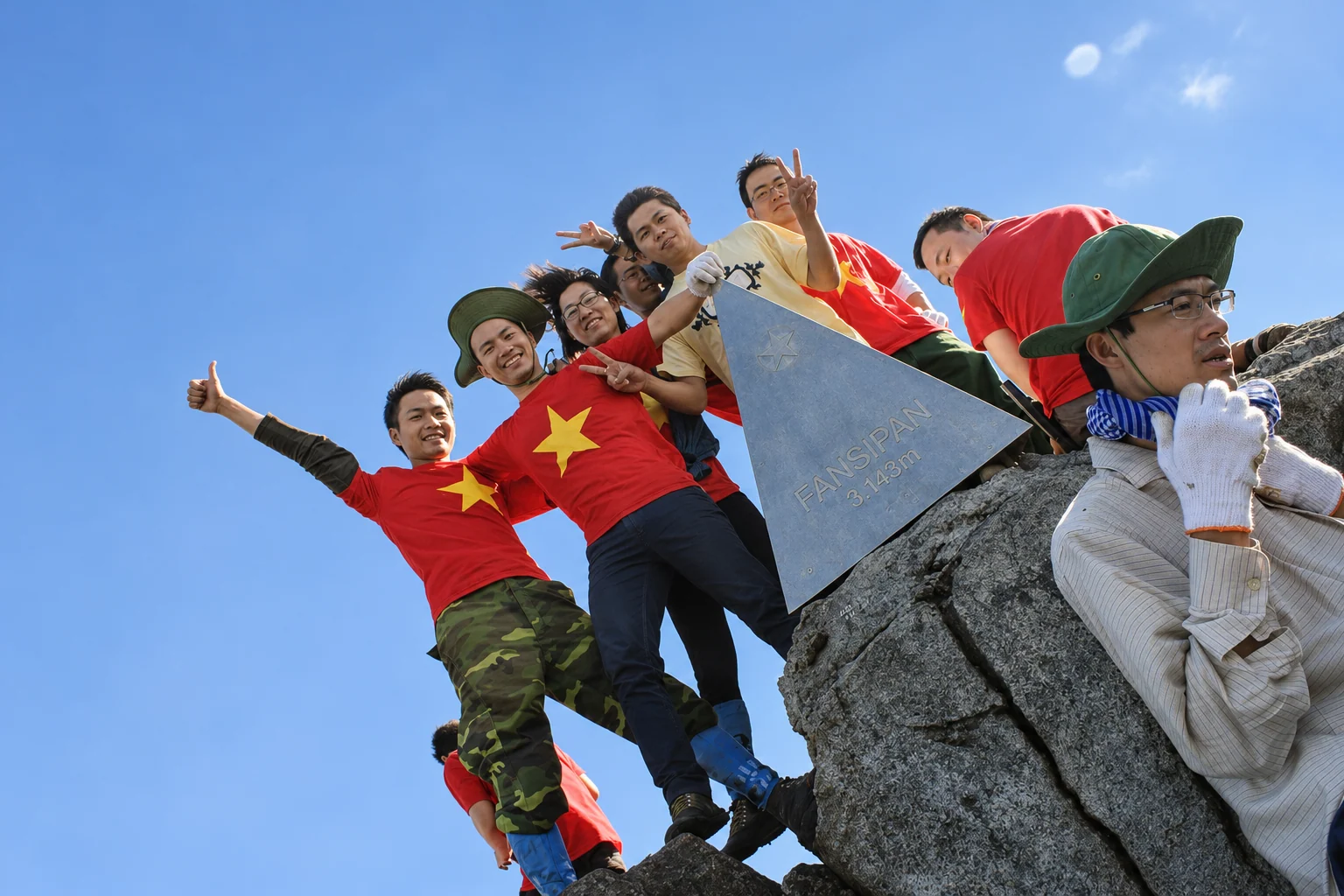
Youth, freedom and the family hearth
Why is youth and physical strength a rare opportunity hard to repeat once having a family? The freedom and wildness of youth create a unique architecture, but stepping into the threshold of family changes everything. It is a transition from wild freedom to a shared hearth.
Looking back, we see the 2012 trek as one of the bricks in that architecture. The mountain did not teach every lesson by itself, nor did finishing the route make us extraordinary. It gave us a memory of choosing difficulty together, receiving help and persisting toward a shared purpose. Those ideas still travel with us, even when our daily lives look very different.
A practical note for trekkers in 2026
This is a historical memoir, not a current trekking permit or trail-opening notice. Before attempting a Fansipan hike today, confirm the permitted route and season with Hoàng Liên National Park or an appropriately authorized local operator. Ask about guide arrangements, weather disruption, overnight rules, safety equipment, emergency communication and the realistic demands of the chosen itinerary. Do not treat our 2012 four-day, three-night schedule as a standard duration or a guaranteed option.
Prepare for sustained walking rather than relying on excitement alone. Comfortable, already-tested footwear, suitable layers, rain protection, water, food planning and a communication plan all deserve serious attention. Respect the local workers who support the route, ask clearly what services are included, and understand the plan for turning back if conditions become unsafe. The best adventure is one you can remember without having ignored the risks.
Questions before following an old trekking story
Was this journey made before the Fansipan cable car?Yes. Our trek took place in 2012; the cable car started operating in February 2016.
Did the group trek for four days and three nights?Yes. That is the author's account. It describes our own experience, not today's mandatory or recommended duration.
Which named route did the group follow?The surviving draft does not verify a named approach. We deliberately avoid assigning one from guesswork or photographs that have not yet been geolocated.
Can independent visitors repeat the same trip now?Do not assume so. Check contemporary access, guide requirements and weather locally before committing.
What remains after the summit
We no longer measure the value of that trek only by its destination. Four days and three nights in the forest gave us a record of physical effort, mutual dependence and the freedom of an earlier chapter of life. The camera preserved fragments of it; time gave those fragments another meaning.
Each photograph is a brick in the architecture of life. Some remind us how far we walked. Others remind us who made the walk possible. Together they preserve something more durable than a single moment on a mountain: the courage to choose an experience while the opportunity was ours, and the gratitude to carry it into the years that followed.